Archive

news

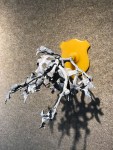
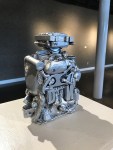
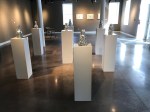
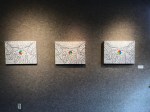
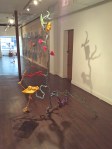
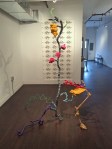
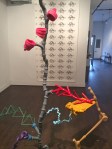
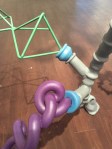
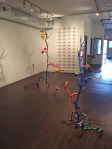
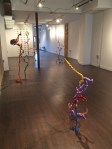
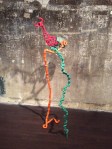
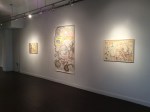
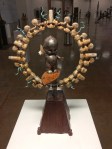
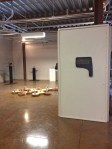
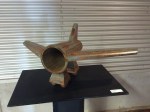
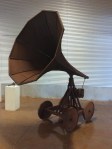
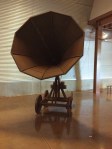
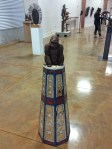
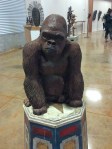
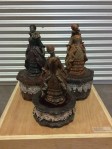
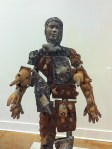
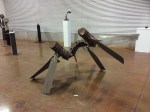
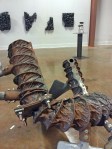
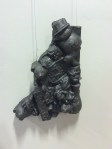
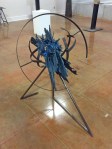
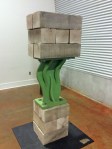
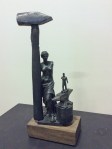
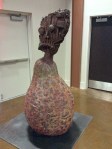
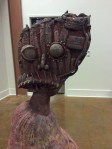
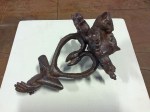
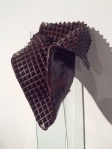
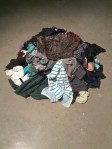
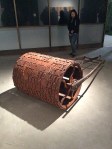
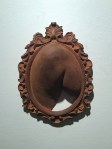
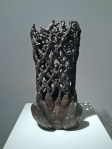
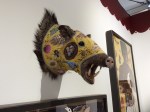
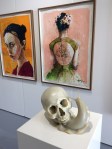
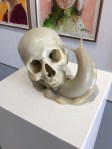
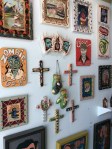
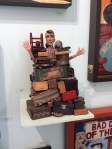
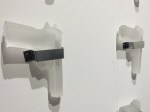
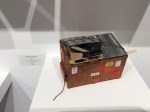
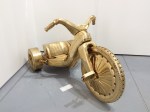
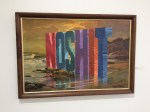
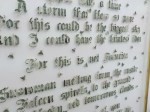
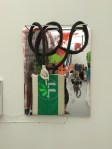
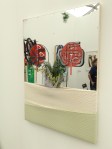
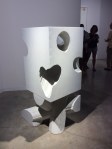
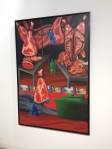
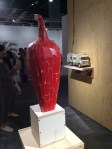
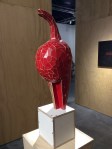
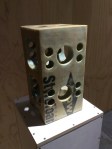
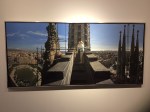
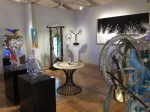
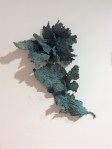
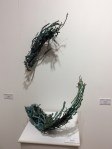
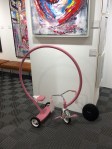
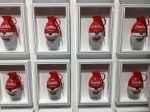
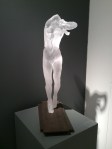
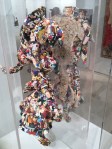
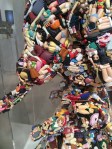
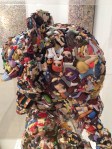
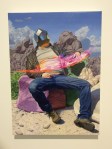
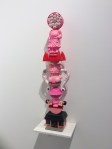
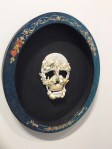
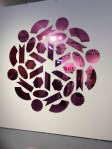
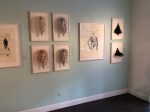
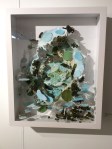
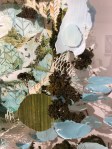
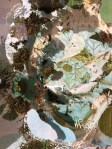
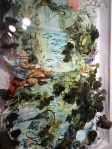
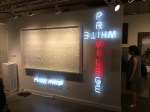
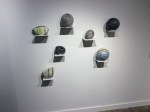
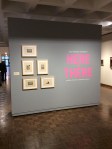
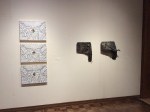
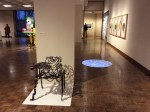
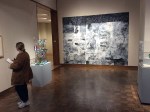
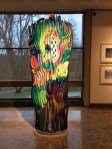
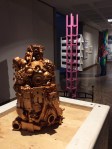
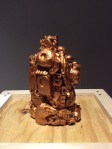
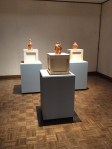
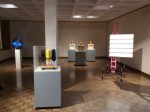
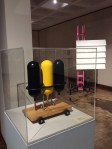
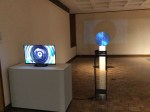
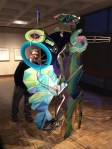
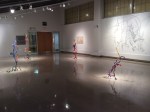
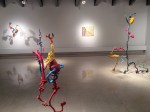
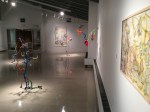
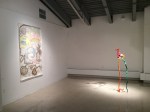
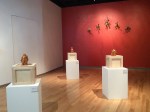
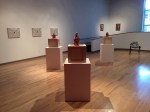
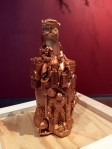
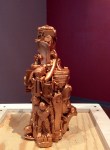
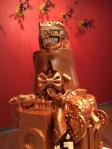
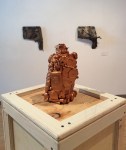
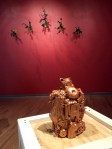
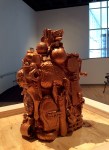
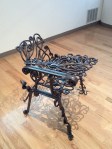
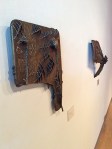
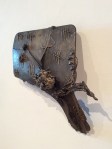
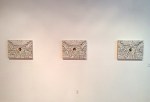
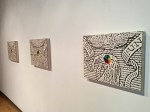
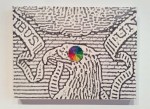
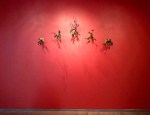
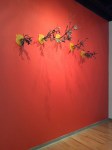
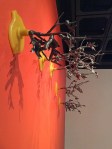
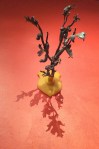
My solo exhibition Once Familiar recently took place at the University of Rio Grande’s Esther Allen Greer Museum. This was a great opportunity to show a majority of the artworks from the Once Familiar series, and the museum’s cozy familiarity definitely enhanced the surreal qualities of these pieces. In addition, having this exhibit deadline motivated me to finish up a large group of Memory Vessel sculptures, which enhanced the conversation among everything on display.


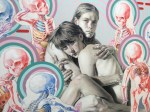
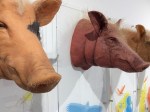
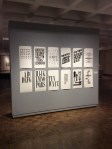
My solo exhibition Color Coded recently concluded at the Engine Room Art Space in Hagerstown, Maryland. This was an excellent venue, and I really enjoyed the opportunity to exhibit the majority of the anatomically-themed sculptures and drawings from this body of work. Though I’ve taken a break from these pieces over the past couple of years, this exhibit has inspired to revisit the formal and conceptual themes of the Color Coded series in the very near future.

SaveSave

SaveSave

SaveSave

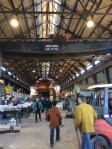
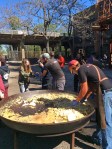
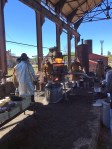
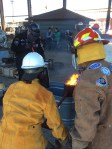
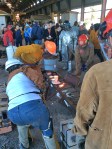
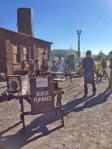
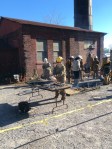
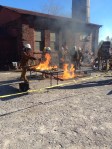
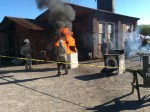
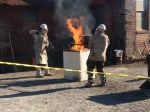
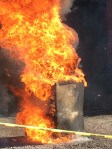
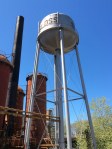
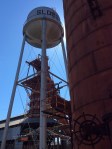
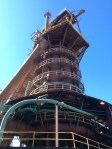
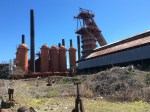
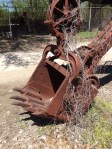
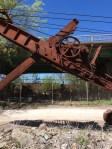
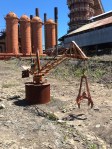
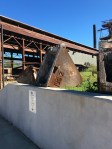
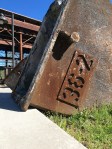
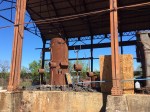
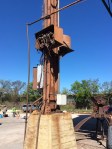
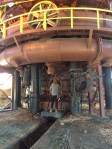
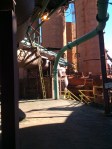
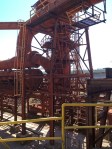
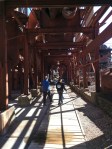
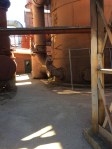
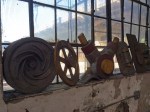
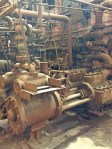
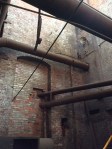
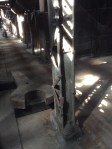
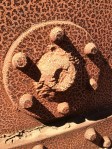
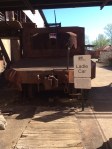
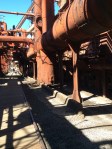
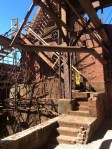
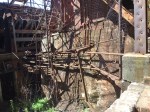
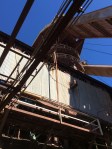
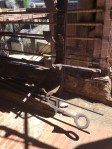
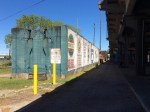
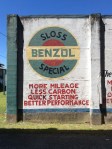
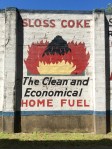
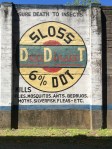
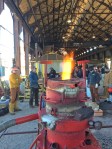
Last week, I was in Birmingham, Alabama, for the National Conference on Contemporary Cast Iron Art & Practices (NCCCIAP). The backdrop for this biennial event was Sloss Furnaces National Historic Landmark, a truly a remarkable venue that stands out as America’s only blast furnace from the last century being preserved and interpreted as an historic industrial site. There was a great slate of activities for the NCCCIAP, including hands-on demonstrations, mold making workshops, student cupola competitions, guest furnace demonstrations, panel discussions, and art exhibitions. The grassroots, intergenerational character of the NCCCIAP was incredibly inspiring, and I hope to get back to Sloss for the next iteration of this event.

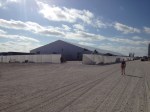
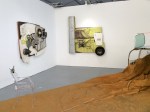
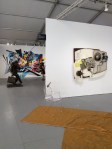
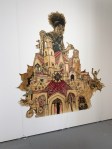
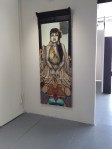
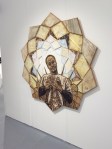
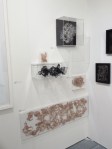
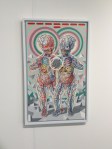
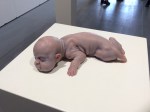
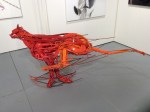
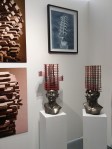
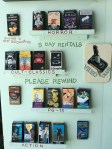
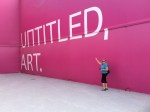
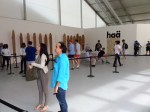
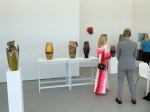
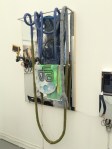
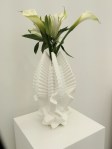
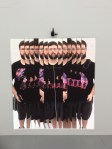
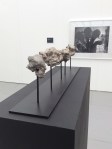
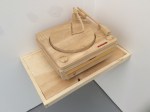
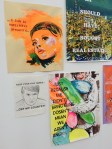
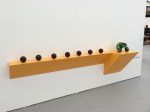
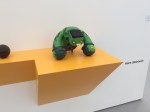
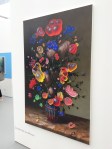
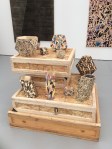
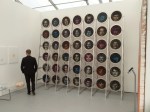
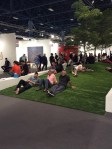
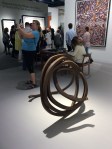
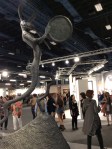
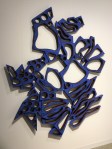
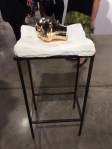
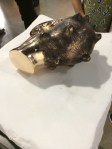
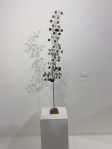
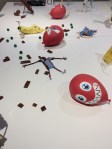
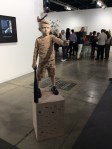
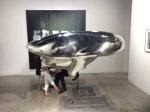
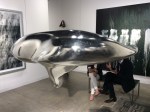
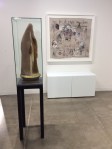
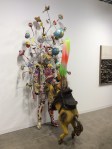
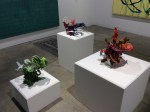
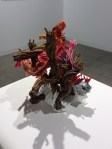
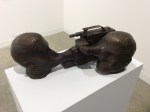
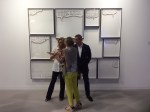
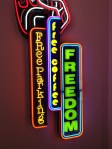
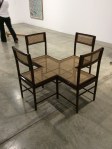
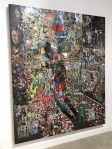
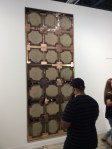
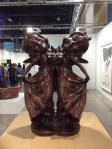
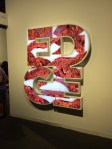
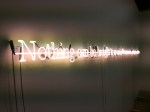
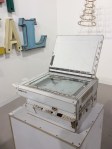
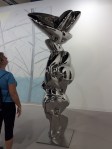
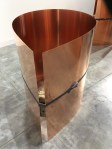
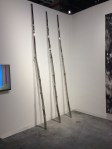
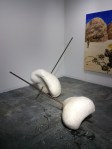
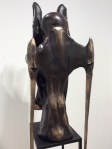
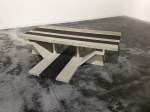
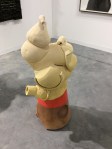
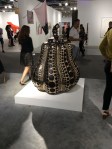
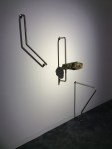
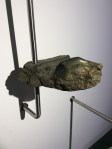
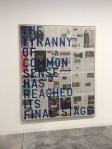
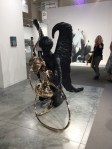
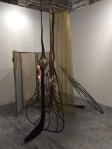
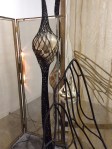
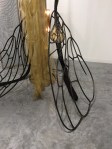
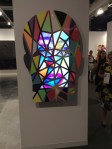
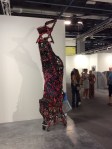
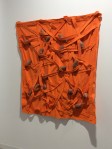
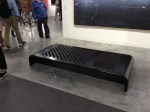
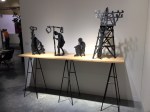
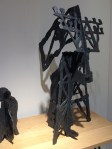
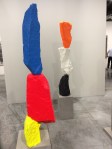
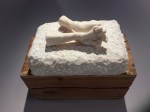
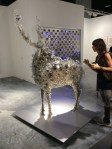
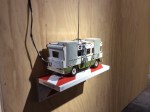
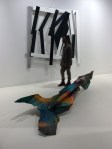
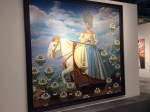
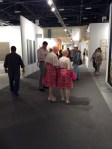
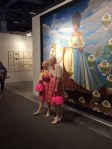
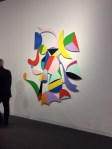
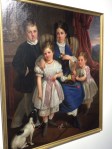
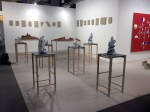
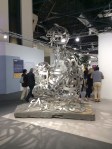
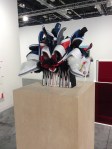
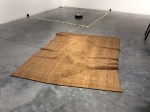
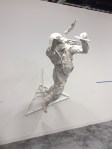
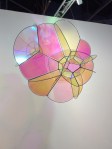
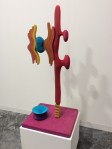
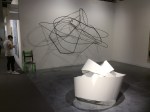
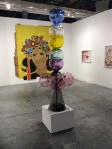
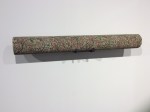
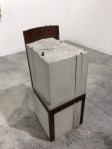
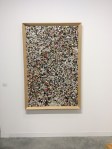
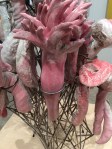
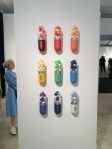
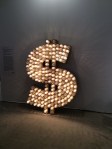
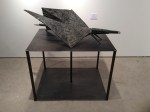
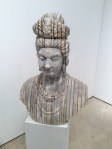
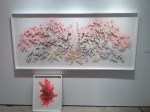
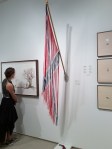
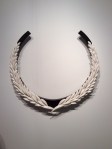
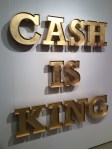
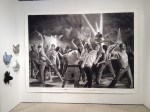
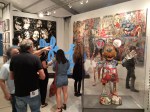
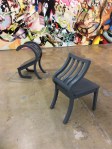
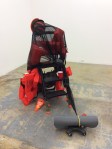
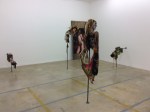
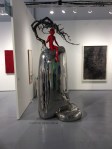
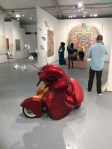
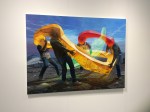
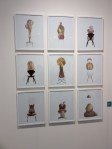
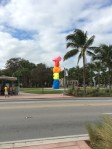
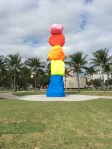
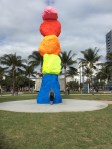
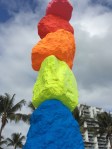
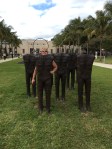
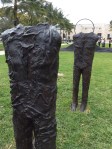
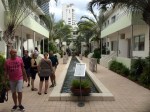
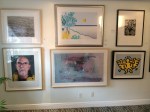
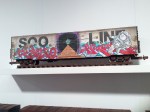
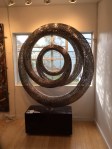
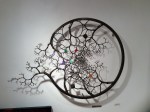
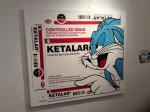
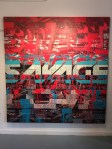
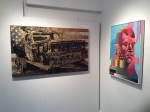
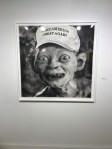
I had a great time in Miami last week checking out the city’s annual art fairs, marking my first visit to this city and my first time taking in an international art fair. The sheer number of art venues was mind boggling, and the range of work on display showcased the remarkable character of contemporary art. This was a truly amazing experience, and I definitely feel inspired in my own studio practice after gathering so much visual inspiration. Here’s a few highlights from this trip:

Scope International Contemporary Art Show

UNTITLED, Miami Beach

Art Basel Miami Beach

Spectrum Miami & Red Dot Miami 
Art Miami

Rubelll Family Collection

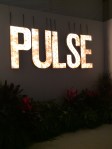
PULSE Contemporary Art Fair

Art Basel Miami Beach-Public Art Section

INK Miami Art Fair 

Aqua Art Miami 

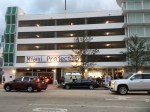
Miami Project

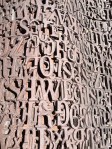
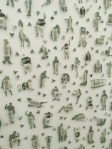
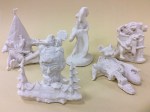
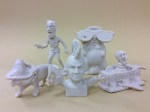
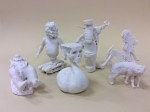
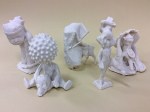
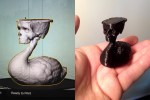
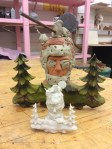
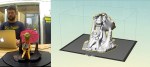
In summer 2016, I received Myers Foundation research funding from the WVU School of Art and Design to create the Character Generator series, my first body of work made entirely with 3D scanning and 3D printing processes. I began this series by scanning small temporary studies made from clay, metal, wood, and other found objects, a process which unified each of these disparate constructions into a cohesive whole. This aspect of the process was quite liberating, as it allowed me to work in a direct, improvisational manner, much like creating a digital collage. My preconceived notion of 3D scanning was that it would be just like making a mold to reproduce an exact replica of an object. However, I found this process was more akin to taking a fleeting, snapshot impression of an object, and I fully embraced the distortions and digital chatter inherent to these technologies.

In fall 2016, I had the pleasure of discussing this research project at the annual Southeast College Art Conference (SECAC) in Roanoke, Virginia. My presentation, entitled Fragments of Signifiers: 3D Printing & Scanning As Digital Collage, was part of the panel discussion No Hands?: Digital Fabrication and Craftsmanship chaired by artist McArthur Freeman, with fellow artist panelists Kelly O’Briant and Ryan Buyssens. All in all, I think The Character Generator series marks a significant and very exciting step in my artistic growth. The process of assembling these sculptures imbues the Character Generator series with appealing qualities of memory, humor, and cryptic beauty, and I have no doubt this research will lead to more ambitious art making endeavors using new technologies.


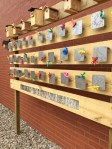
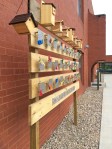
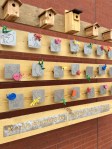
This past semester, I participated in a STEAM (science, technology, engineering, art, and mathematics ) education project at Morgantown’s North Elementary School. Sponsored by a grant from the West Virginia Division of Culture and History, this project had three primary components, one of which was to create a garden environment for attracting regional birds. My WVU School of Art and Design colleague Joseph Lupo helped the North students use their bird research to create mini comics, while my sculpture students and I focused on designing and building a birdhouse structure.

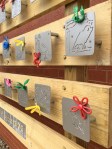
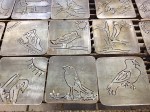
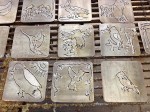
To begin the birdhouse component of this project, my sculpture students were tasked with creating steel butterflies, flowers, snails, and leaves, which tied into our classroom study of forging, welding, and other metal fabrication techniques. Meanwhile, 4th grade students from North were utilizing their bird research, drawing these creatures onto steel panels with chalk. I took these panels back to our studio and cut them out with a plasma torch, and then these bird panels and my sculpture students’ flora and fauna were cleaned up and painted in multiple bright colors.

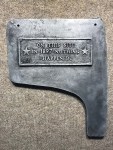
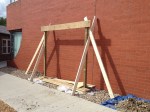
I set wooden posts in concrete and built the final birdhouse structure with my friend Aaron Lutz, a WVU forestry program student working at North this year with the AmeriCorps VISTA program. The completed piece contains approximately nine birdhouses, 33 steel bird panels, 33 steel items created by my sculpture students, and a stainless steel nameplate. This project gave my students and I the opportunity to collaborate with students, teachers, and administrators at North in a truly unique manner, and out of the things I did in this amazingly busy school year, this was probably the most enjoyable project to take on.


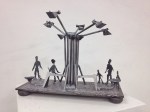
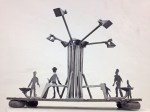
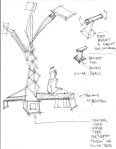
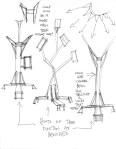
I recently finished work on a solar tree prototype, a collaborative project between the School of Art and Design and the Lane Department of Computer Science and Electrical Engineering at West Virginia University. This yearlong endeavor involved our sculpture program working with Ramana Reddy, professor of computer science and electrical engineering in the Statler College of Engineering and Mineral Resources and his students. The overarching goal of the solar tree was to create a comfortable, shaded area, utilizing the electricity for those enjoying the tree’s shade to charge electronic devices, gain wireless internet access, and connect with its informational interface. There was a dynamic quality to this project, as it brought together individuals from various backgrounds and areas of expertise in an attempt to tackle some of the pressing issues of our time. Now that the solar tree has made its debut, we can begin the dialogue on finding this structure a more permanent home on campus and modify the prototype to make it more appropriate for long term display.

Here to There, an exhibition by faculty from the West Virginia University School of Art and Design, opened recently at the Huntington Museum of Art. All 14 of our studio art faculty participated in Here to There, so this exhibit does an excellent job showcasing the hallmarks of our program, including a breadth of creative approaches, attention to matters of craftsmanship, and engagement with contemporary issues. Here to There is on display from March 19-June 12, 2016.
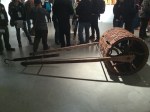
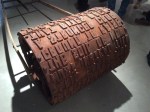
 

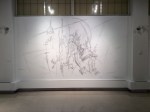
My solo exhibition Color Coded opened recently at Washington and Jefferson College’s Olin Art Gallery, marking the first time that the entire Color Coded series (2005-2012) has been exhibited in the same venue. The most fun part of this show, besides getting nearly a decade’s worth of anatomically-inspired artwork under one roof, was creating a large scale graphite wall drawing specifically for the gallery. Drawing directly on the wall definitely added a fresh new dimension to the overall exhibit, and the monochromatic quality of the graphite was a nice contrast to the layered, multicolored qualities of the works in this series. Color Coded is on display from October 30-December 6, 2015.

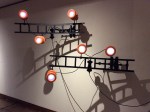
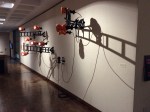
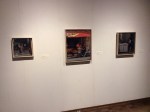
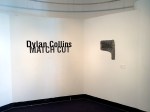
After an intense summer filled with numerous teaching obligations & round-the-clock art-making, I am happy to announce the opening of my solo exhibition Match Cut in the West Virginia University Creative Arts Center’s Laura Mesaros Gallery. On view from September 1-October 2, this show explores our collective need for classification and organization, especially as the desires and limitations of our organic bodies conflict with this quest for order. I use various fabrication techniques and meticulous craftsmanship to explore these conceptual interests, manipulating iconic imagery & familiar objects from our educational, governmental, and scientific institutions in order to draw attention to the impermanent & transitory nature of cultural authority.

This exhibition takes its title, Match Cut, from a film editing technique where seamless transitions between scenes help draw together the visual, metaphorical connections between objects and actions. I drew inspiration from this cinematic device, creating a series of cast & forged metal sculptures, mixed media panel works, and manipulated found object pieces that are cozily familiar yet imbued with surreal, dreamlike qualities. I really like the way this new body of work fits together, and I look forward to creating more artwork in the same vein.