Archive

news

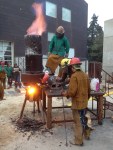
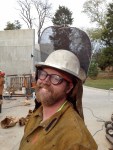
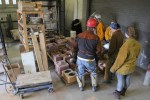
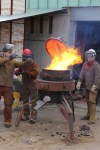
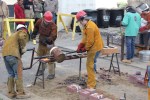
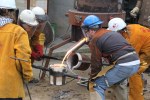
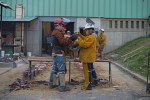
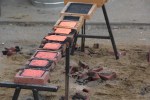
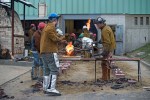
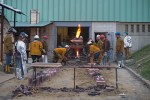
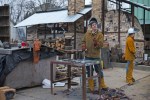
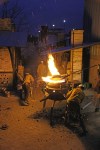
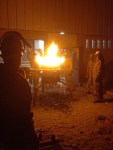
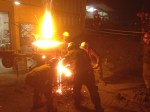
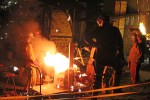
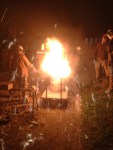
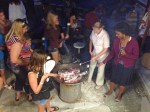
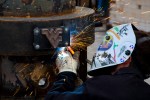
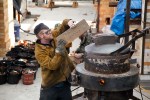
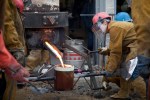
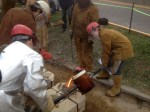
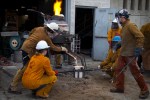
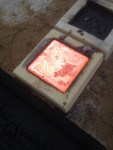
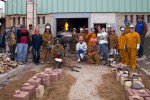
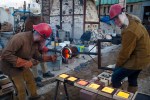
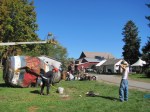
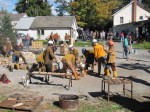
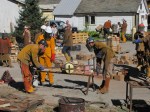
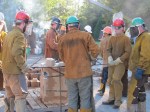
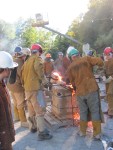
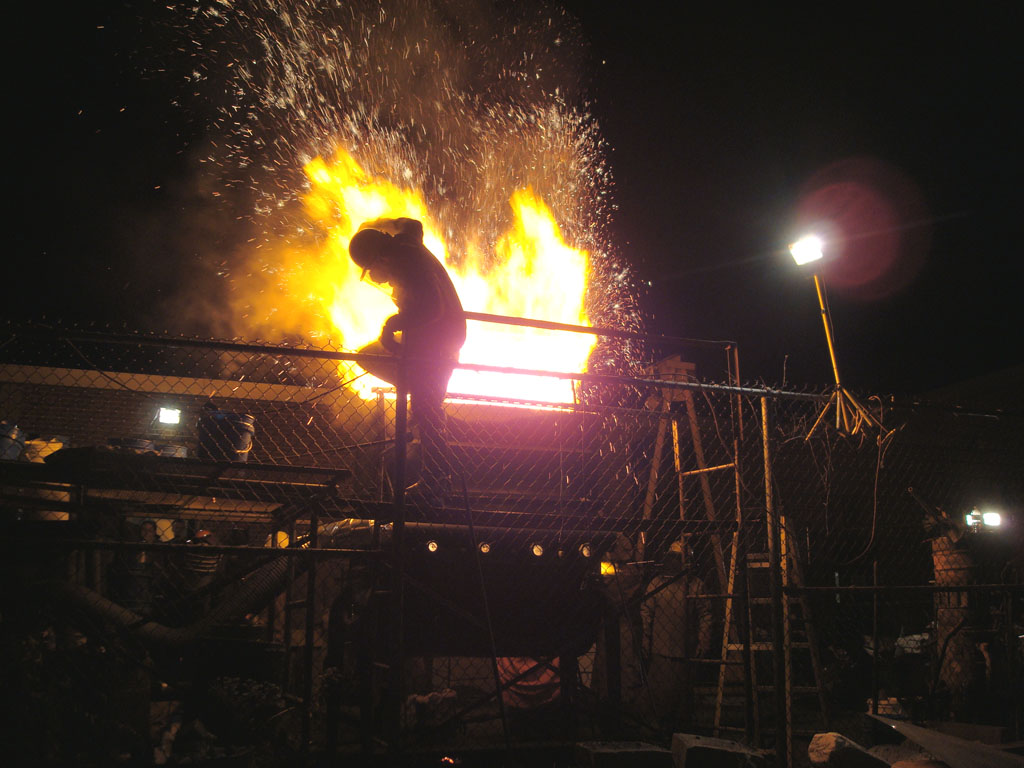
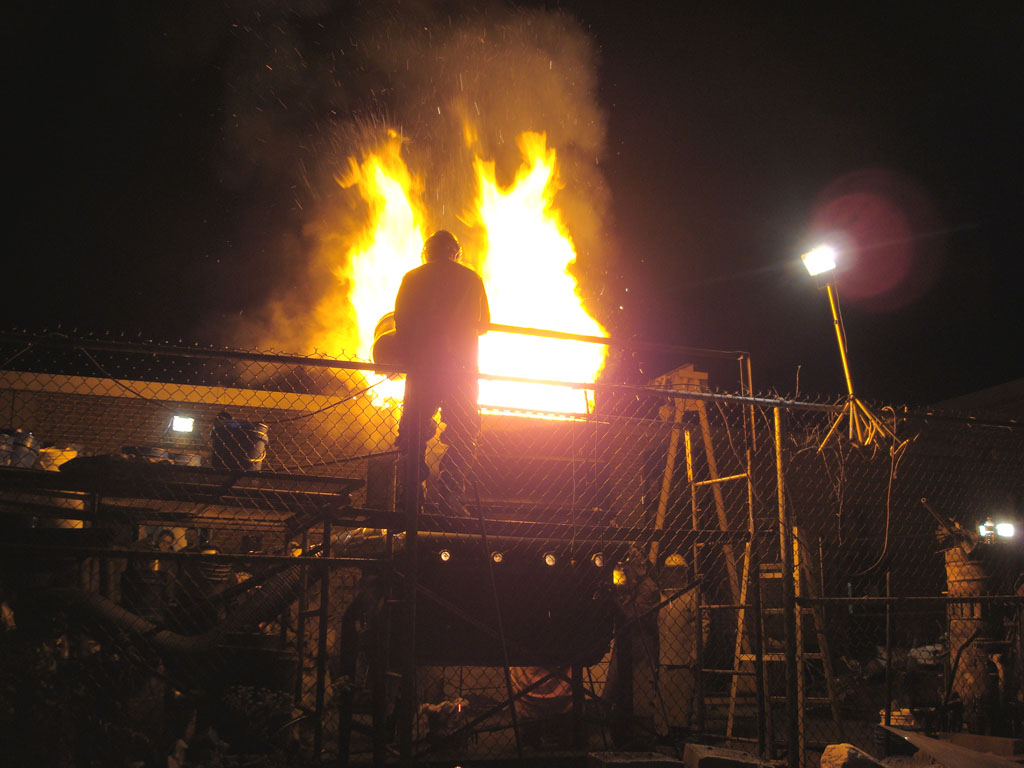
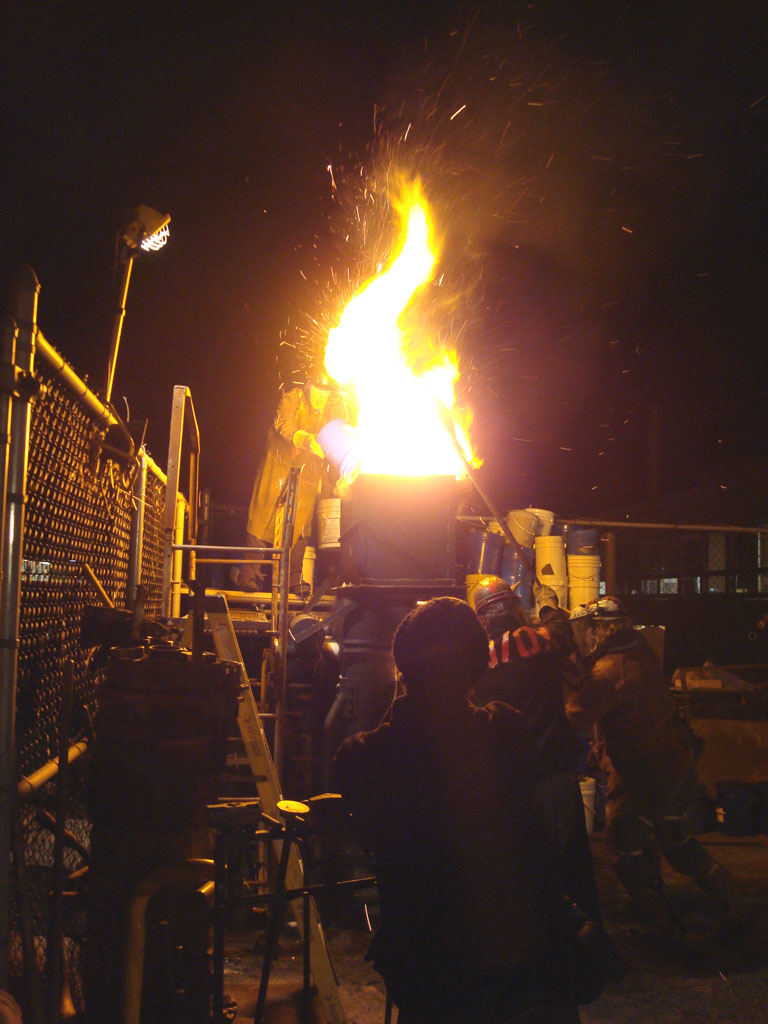
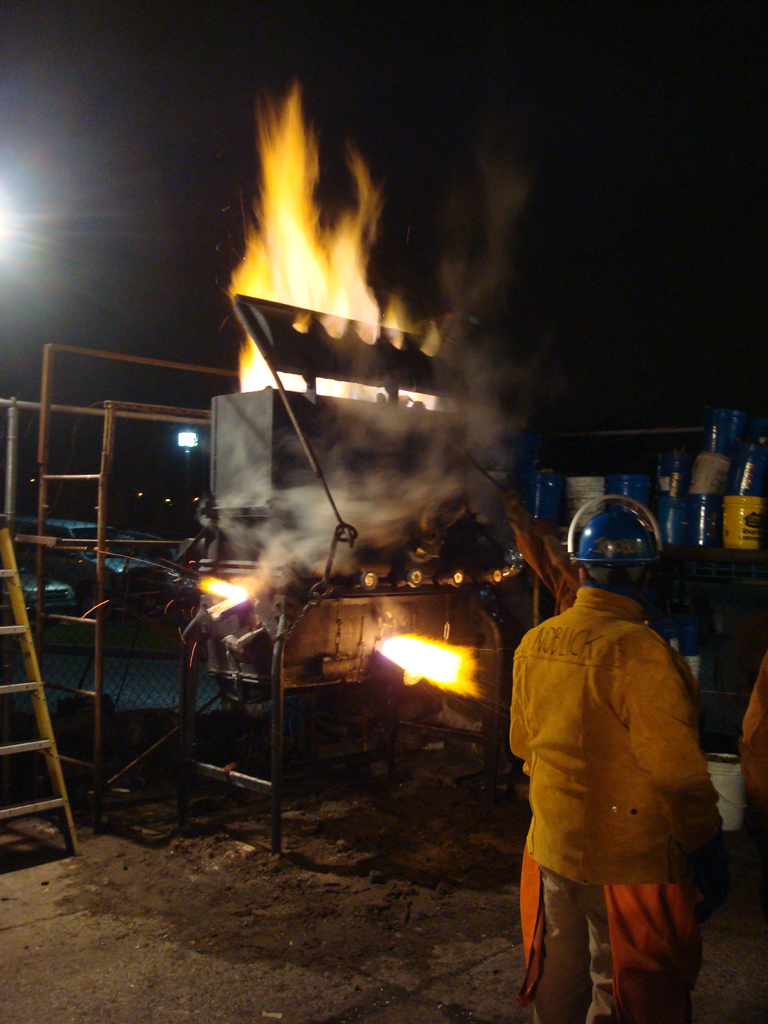
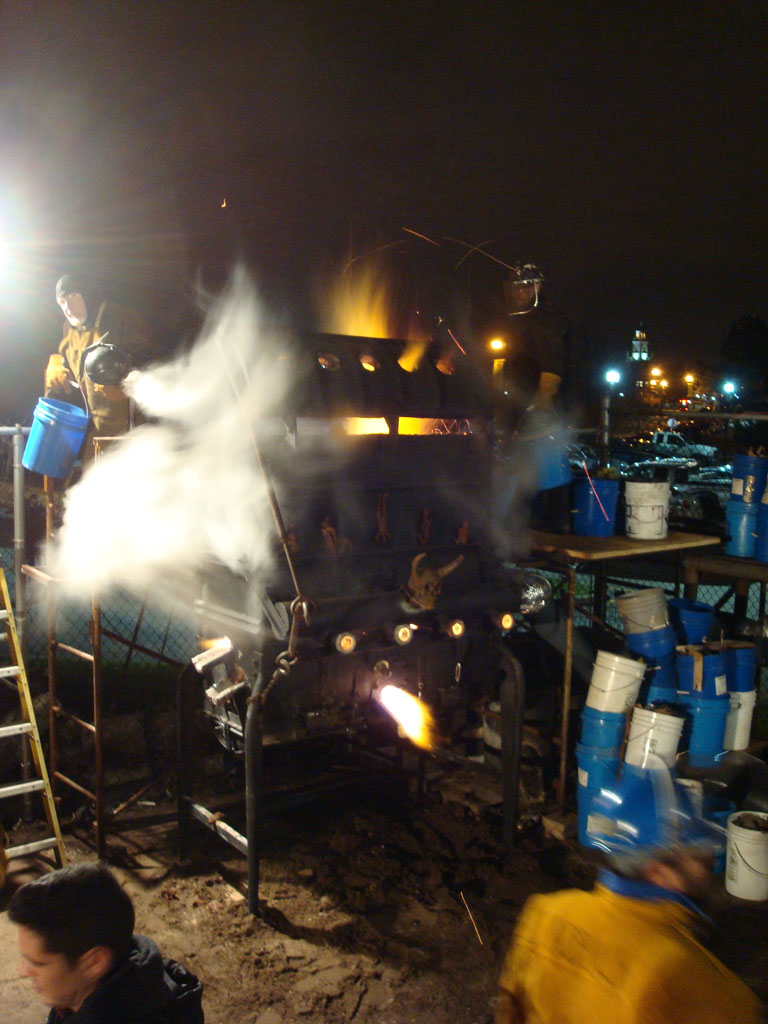
This past month has been a period of great activity in the West Virginia cast iron community. Shepherd University hosted their fall iron pour early in November and a week later, the sculpture program at West Virginia University hosted our fall iron pour. I am pleased that Shepherd University sculpture coordinator Christian Benefiel, Fairmont State University sculpture coordinator Jeremy Entwistle, and myself have continued to collaborate and get our student involved to make these events run in a safe and efficient manner. The palpable teamwork and camaraderie exhibited by all participants has affirmed my belief that a vibrant cast iron community is emerging in our state. Here’s some images and videos from our events, big thanks goes out to students Violet Goode and Hannah Hicks for documenting our iron pour at WVU.

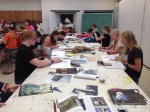
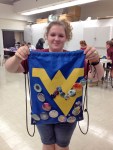
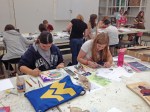
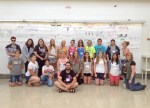
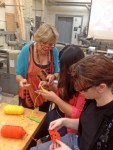
I had an amazing time this past month teaching in the Mountaineer Summer Drawing Academy, a three-day art camp for high schoolers held on the campus of West Virginia University. After spending the better part of the past year planning for this event, I was thrilled to see our joint venture between the College of Creative Arts and the WVU Extension Service come together so successfully!

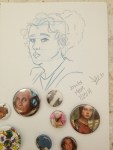
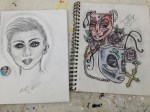
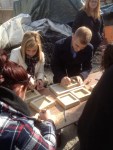
Students received instruction in both observational and mixed media drawing, while also exploring “Exquisite Corpse” drawings, a group collaborative exercise made famous by 20th-century Surrealists. Other camp highlights included button making, a storytelling session with entertainer Adam Booth, and various interaction with State 4-H Days participants. Now that we’ve had a successful maiden voyage for this camp, I am looking forward to planning next year’s session and growing both the number of participants and the scope of this program.


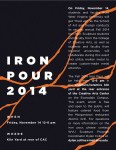
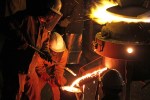
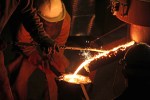
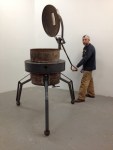
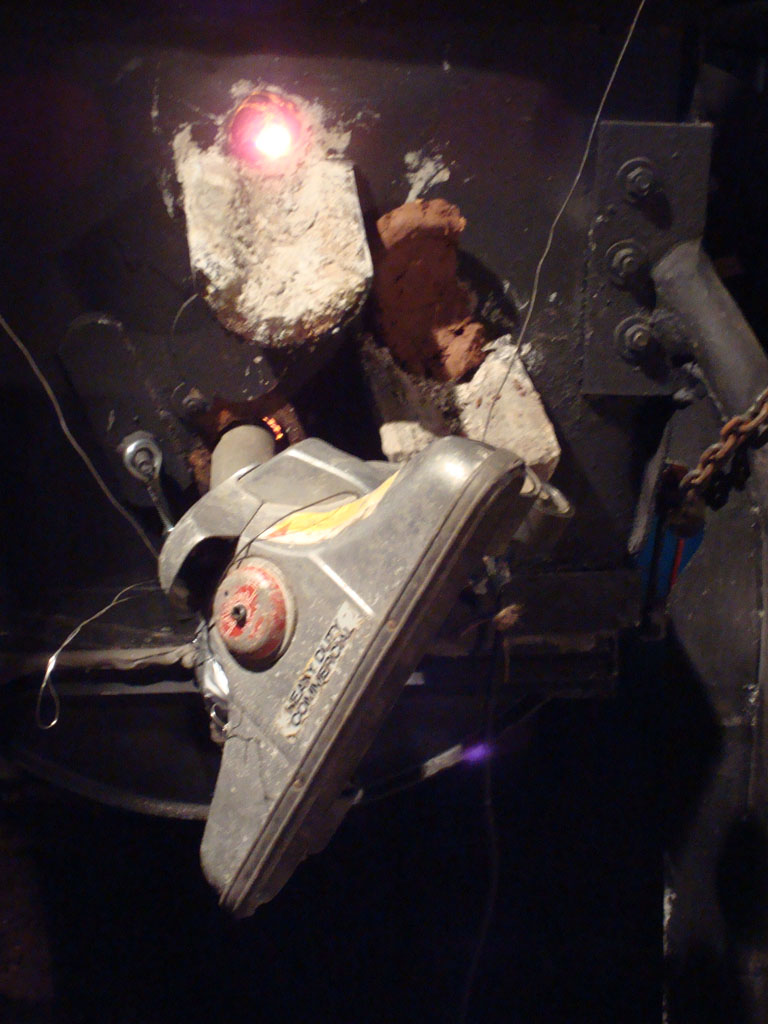
By far my favorite project from the past year was our Fall 2013 Iron Pour. Held on Friday, November 8, at the West Virginia University Creative Arts Center, this event helped inaugurate “Sputnik”, a portable iron-casting furnace that Fairmont State University sculpture faculty Jeremy Entwistle and I began building over the summer. Our pour crews cast around 3000 pounds of iron over the course of the day, which exceeded expectations for the capacity and durability of this new furnace. We also had excellent media coverage and a healthy turnout from the public, all of which contributed to making this event a resounding success.

Jeremy and I and students from our respective programs were joined by Shepherd University sculpture faculty Christian Benefiel and his students, as well as friends from the Pittsburgh iron casting community. In addition, alumni Emily Walley, Brett Kern, Jennifer Rockage McGhee, and Jamie Lester were invited to be visiting artists for the event, all of who cast iron for the first time.

Local businesses, including Construction Supply Company (CSC), 3 Rivers Iron and Metal, and Jack’s Recycling generously contributed materials and supplies for the iron pour. In addition, local metal fabrication company Wilson Works gave us great technical support by cutting out precision parts for “Sputnik”, and Morgantown restaurant Atomic Grill provided catered food for the event.

Big thanks goes out to Daniela Londoño Bernal for photographing this event, as well as Glynis Board from West Virginia Public Broadcasting for her excellent radio segment, which can be found here. The radio story also included a short video documenting the pour, which is linked below.

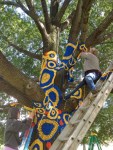
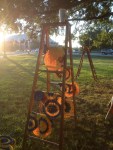
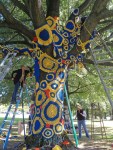
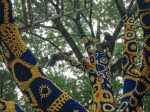
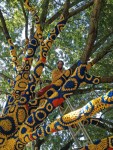
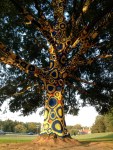
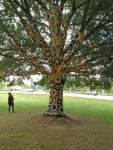
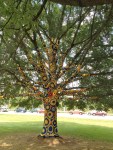
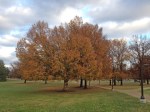
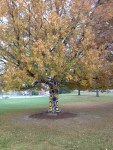
Looking back on 2013, I think the most challenging yet enjoyable project I took part in was the Morgantown Tree by artist Carol Hummel.

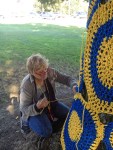
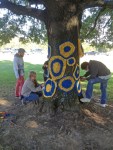
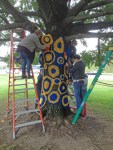
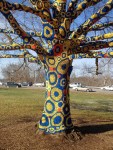
The School of Art and Design at West Virginia University invited Hummel to be a visiting artist for the 2013-2014 academic year. In addition to having a gallery exhibition, she put forth a proposal to work with students and community members to cover a large tree on our Evansdale Campus with crocheted yarn. Hummel has an impressive record of creating similar crocheted installations in Cleveland Heights, Ohio; Chicago, Illinois; Drangedal, Norway and New Delhi, India, so I thought it would be quite a coup for her to create a project in Morgantown.

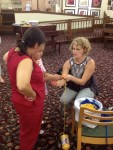
Once Hummel’s project was approved, a workforce had to be organized to make all the crocheted elements. I served as Hummel’s de facto project manager, helping her coordinate with the university and community groups involved in the installation. Because this was a once-in-a-lifetime learning opportunity, we decided early on that our sculpture students would assist Hummel. Members of the Morgantown community, including campus knitting groups and residents at The Village at Heritage Point (a senior retirement community), also made invaluable contributions to this project. There was palpable synergy among all participants, and due to excellent teamwork and a stretch of great weather, the installation was finished in only six days.

The Morgantown Tree was created in conjunction with Morgantown’s 2013 celebration of The Year of the Tree (YOTT). By choosing a prominent location for this installation, Hummel’s project enjoyed high visibility for both on-and off-campus populations. She used an open stitch for this installation, which allows the trees to breathe without damaging their growth, and her chosen synthetic yarn will hold its color well for the next several years.

As 2013 winds down, I am taking time this month to recap several large-scale collaborative art projects I have spearheaded over the past year.

In the summer of 2012, I received a Campus-Community LINK program grant from the West Virginia University Center for Service and Learning, through the West Virginia Campus Compact. This pilot program, funded by the Claude Worthington Benedum Foundation in partnership with The West Virginia Community Development Hub, was designed to connect community groups and faculty members throughout West Virginia to facilitate dynamic service learning projects.

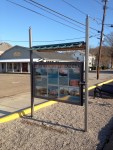
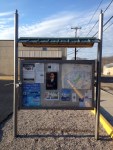
This project was initially focused on creating an artisan co-op in Elizabeth, West Virginia, which would enable community members to sell their locally made products. Due to space and logistical issues, this part of the project never came to fruition. Instead, we focused on the secondary aspects of the project, which involved refurbishing local business signage and building a kiosk for sharing historical and community information. The Sign Factory in Morgantown did a great job printing both the historical and the business signage, and fabrication of the kiosk was finished this past summer. After the kiosk was delivered to the community members, they installed it this fall on the town square in Elizabeth.

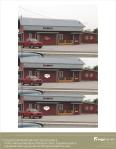
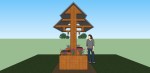
This project also generated a great deal of conceptual drawings and unrealized plans, and I have included these images in the slideshow because they are interesting artifacts of the process. This project went on much longer than I anticipated, but I am pleased with the results, and I think the community members and my students both learned a great deal.

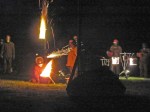
This past weekend, my colleague Jeremy Entwistle and I took students from our respective sculpture programs at Fairmont State University and West Virginia University to Salem, New York, for the 7th Annual Intercollegiate Iron Pour at Salem Art Works (SAW). We were invited to SAW by their Foundry Director Michael “Bones” Bonadio, who was a visiting artist for our sculpture programs last spring. The weather all weekend was spectacular, there was a great spirit of camaraderie, and we had the distinction of traveling the farthest of any schools in attendance, all of which contributed to making this a worthwhile journey. Besides the iron pour, other highlights of this event included a Friday night pyrotechnic performance, The Temporally Coincident Occurences of Causal Events, by New England Sculpture Service Manager of Operations Marjee Levine and students from the Massachusetts College of Art and Design, an inspiring guest lecture by veteran iron artist Joe McCreary, and some terrific exhibitions of artworks created by both emerging artists and iron pour attendees.

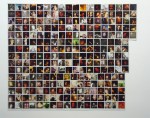
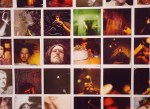
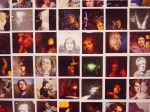
My work will be featured in the upcoming thematic juried exhibition Art/Identity at Gallery 263 in Cambridge, Massachusetts. I am represented in this show by Face value, a grid of approximately 270 Polaroid self-portraits taken over the course of a decade. This piece began at a very introspective time in my life, when I had the impulse to document the mundane aspects of day-to-day existence. Because I didn’t have a clear sense of how these pictures would be arranged, or whether this documentation was even important to my art practice, I was able to approach this project in a playful, experimental manner. Over time, I realized that this accumulation of photographs was a great format for charting my shifting, transformative sense of personal identity.

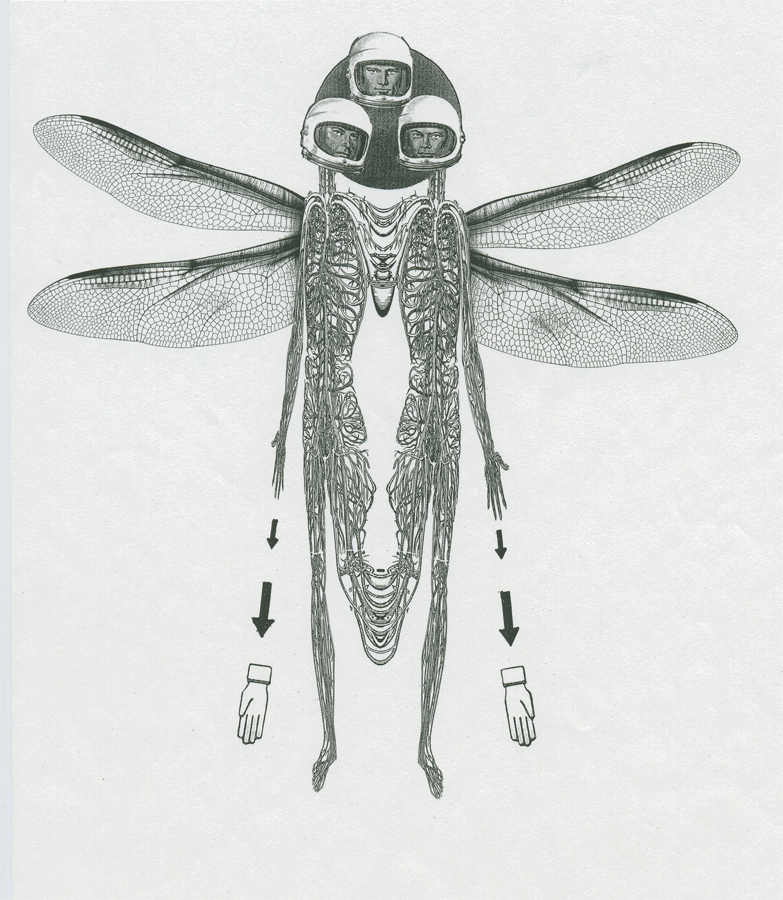
I am happy to report that my work will be featured Art Biologic, a juried exhibition at Hudson, New York’s Limner Gallery focusing on art inspired by nature and biology.  The piece that got into this show, The space cadets flap their wings in three-part harmony, came together from a variety of sources, including manipulated anatomical diagrams, a vintage NASA poster, high resolution scans from dragonfly wings, and hand-drawn imagery.

The space cadets flap their wings in three-part harmony

The space cadets flap their wings in three-part harmony

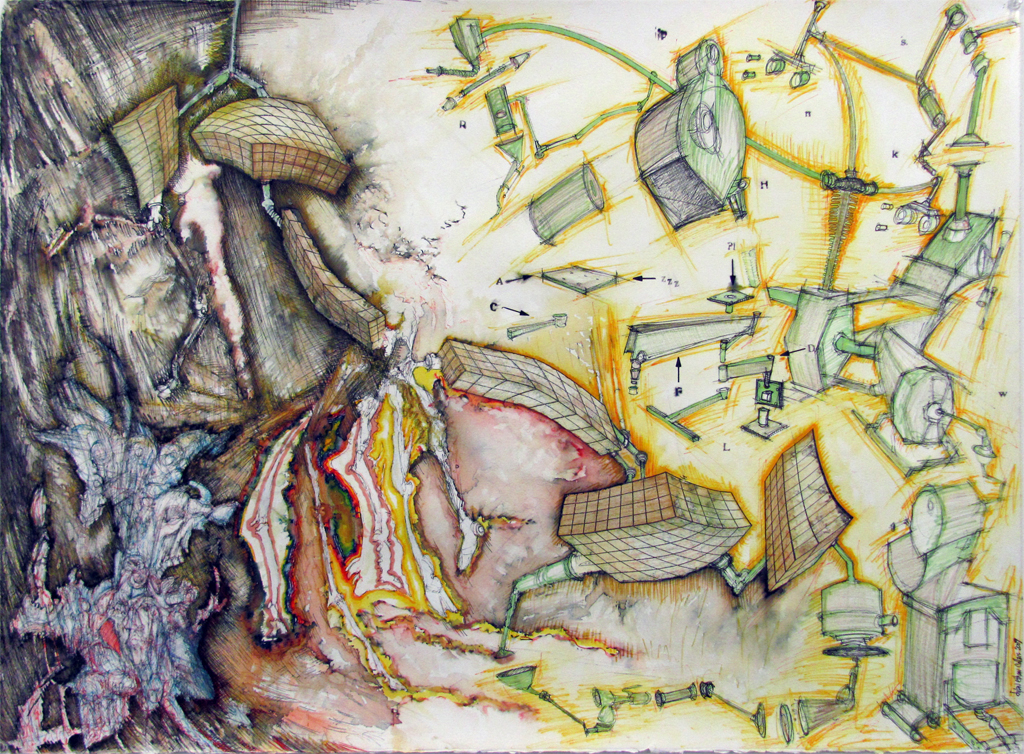
I am happy to report that two of my drawings were accepted into the 34th Bradley International Print and Drawing Exhibition. This is the second longest running juried print and drawing show in the country, featuring 108 artists from around the world, so it feels particularly good to be a part of it. Here are images of the accepted drawings, both of which are mixed media works from 2009:

Feed the meat machine, mixed media on paper, 22” x 30”, 2009

Feed the meat machine, mixed media on paper, 22” x 30”, 2009

Even cowmen get the blues, mixed media on vellum, 37” x 26, 2009

Even cowmen get the blues, mixed media on vellum, 37” x 26, 2009

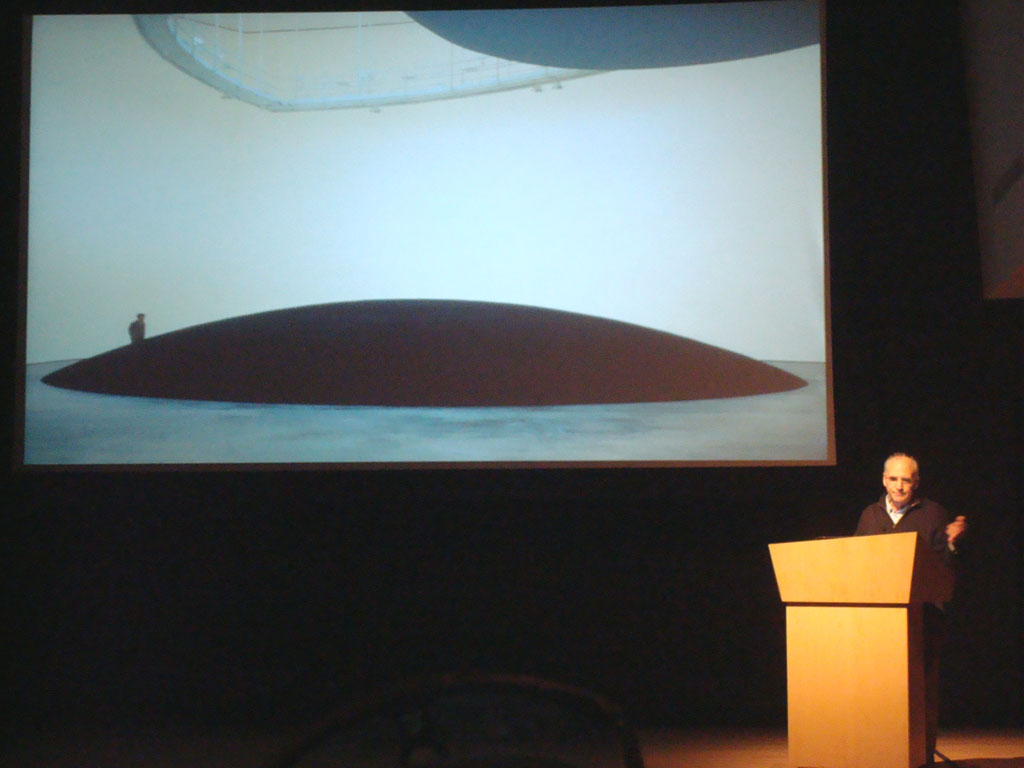
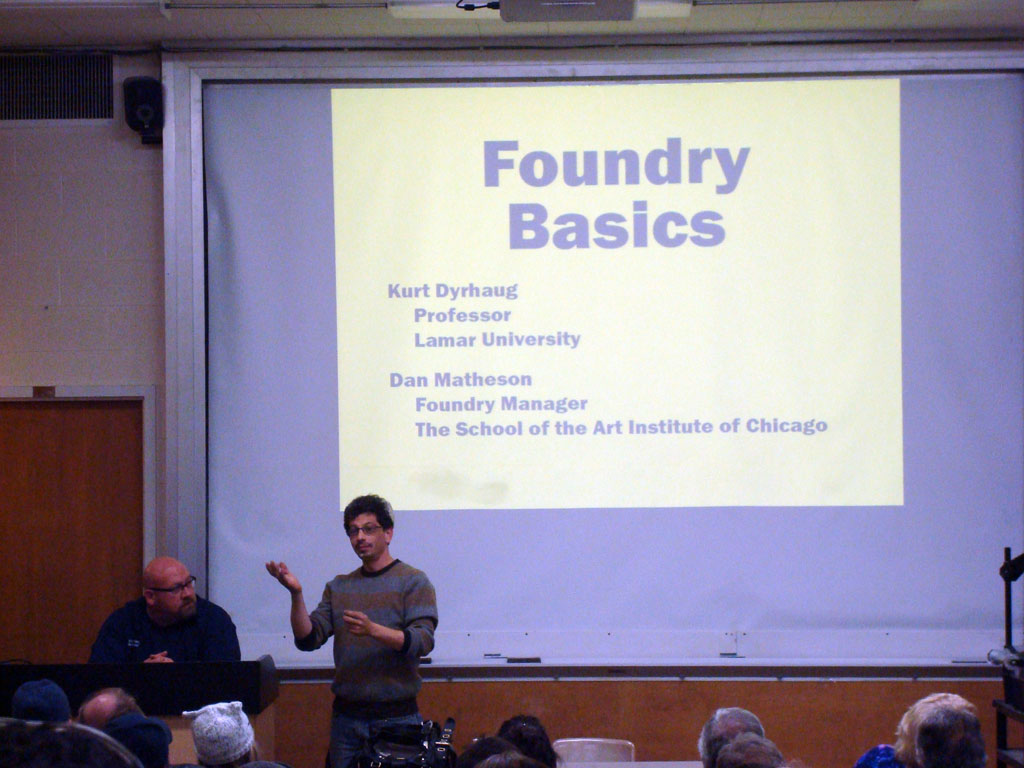
Just before Thanksgiving break, I attended the Nor’Easter Conference on Aesthetics and Practice in Cast Iron Art in Buffalo, New York. At the conference, artists Kurt Dyrhaug, Jeremy Entwistle, and myself had an excellent time presenting our panel discussion Collaborative Venture:  Foundry Practice in the Age of Austerity. Besides other great panel discussions, this conference featured distinguished guest speakers, outstanding contemporary art exhibitions, and some truly impressive cupola furnaces, all of which left me looking forward to the next meeting of iron casting artists.