
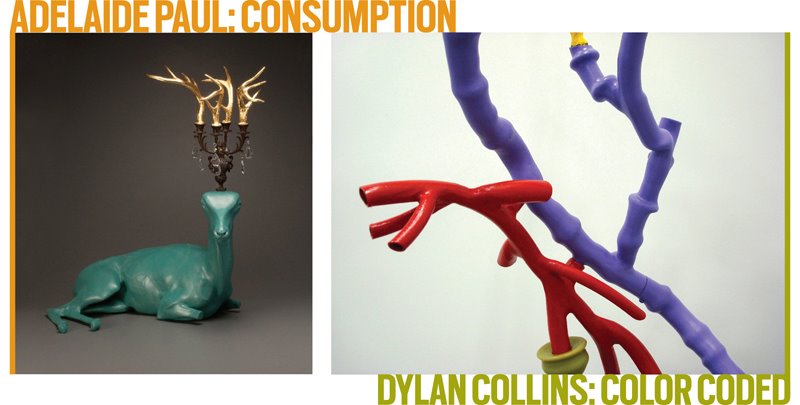
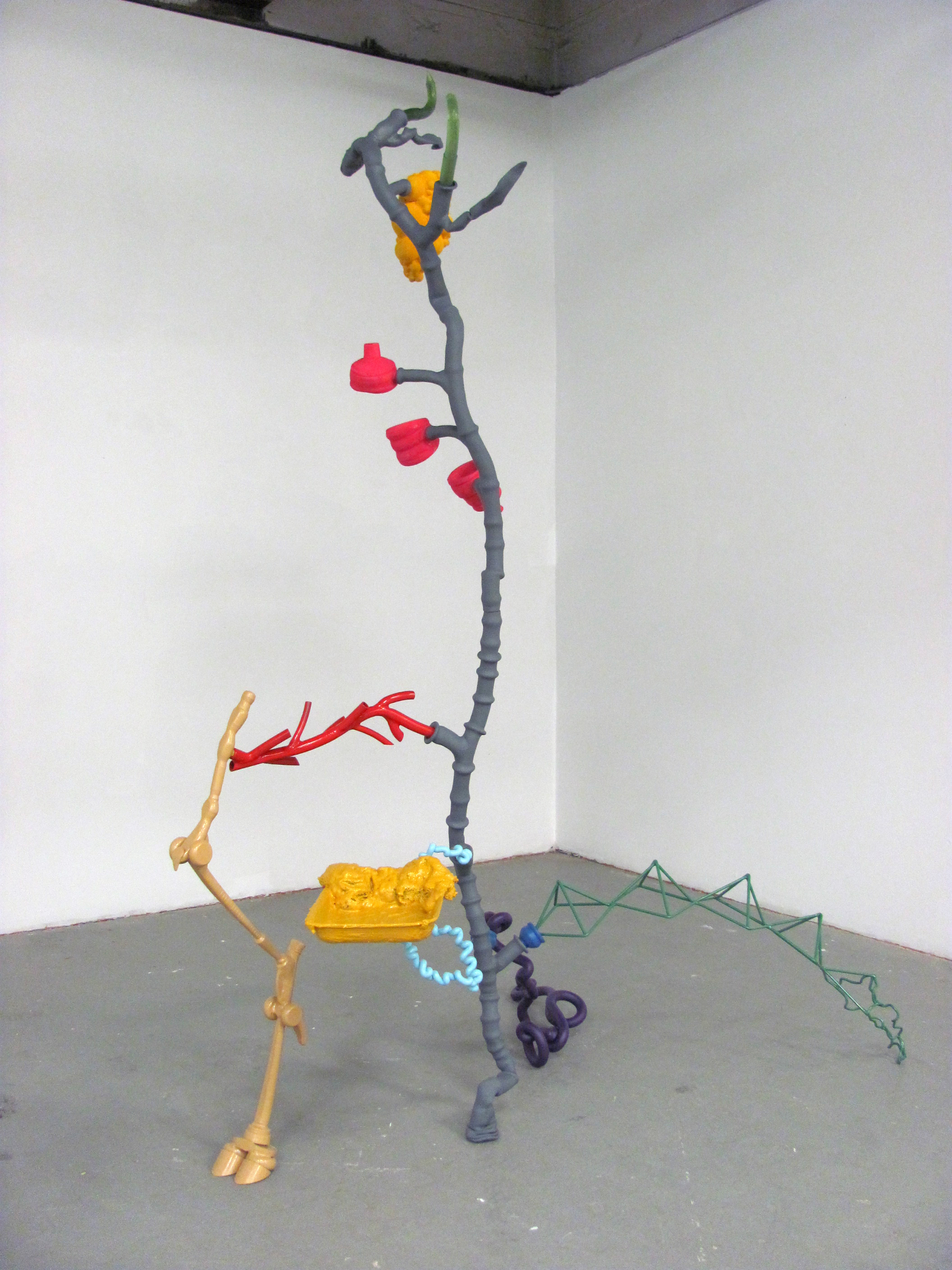
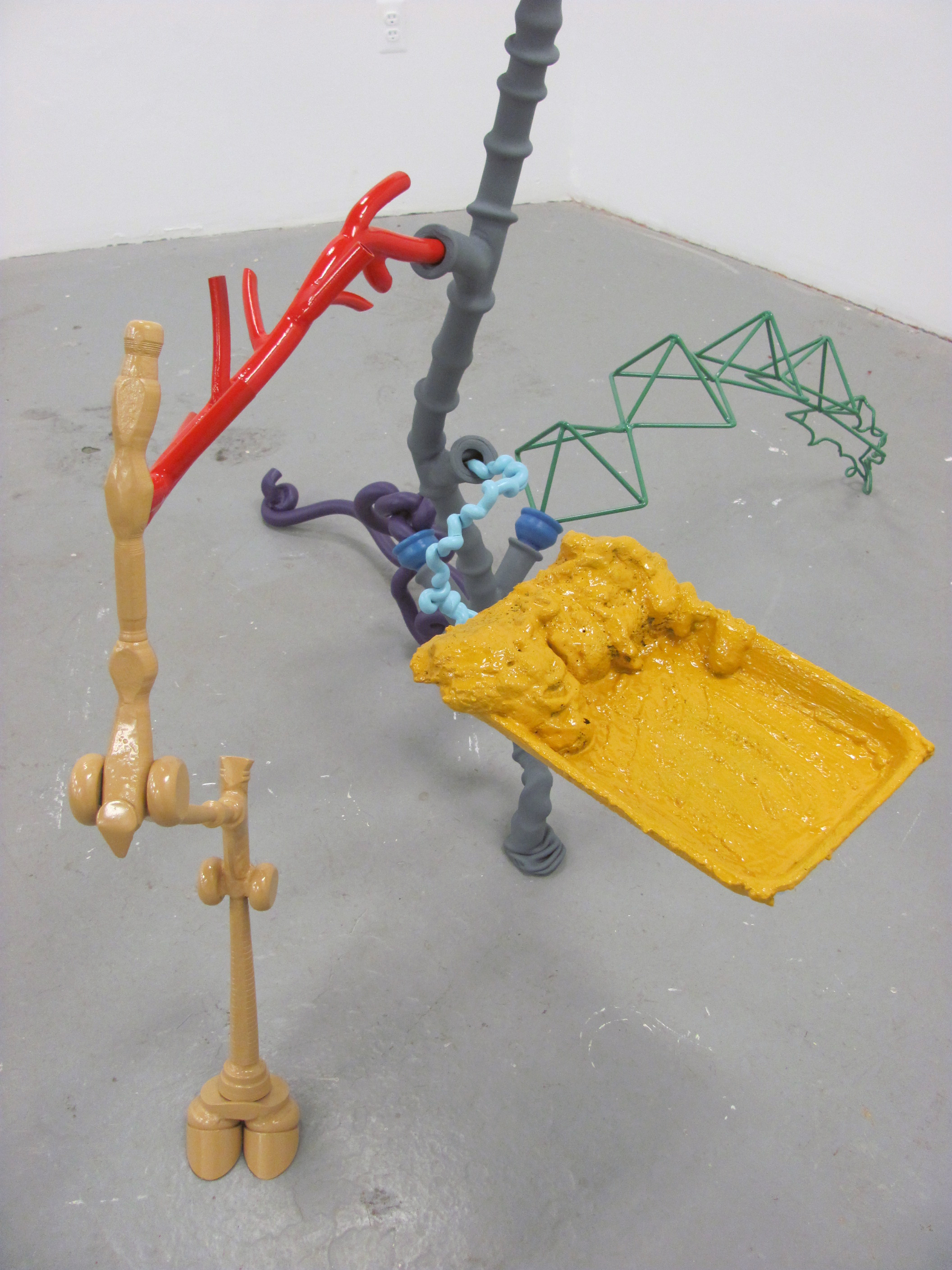
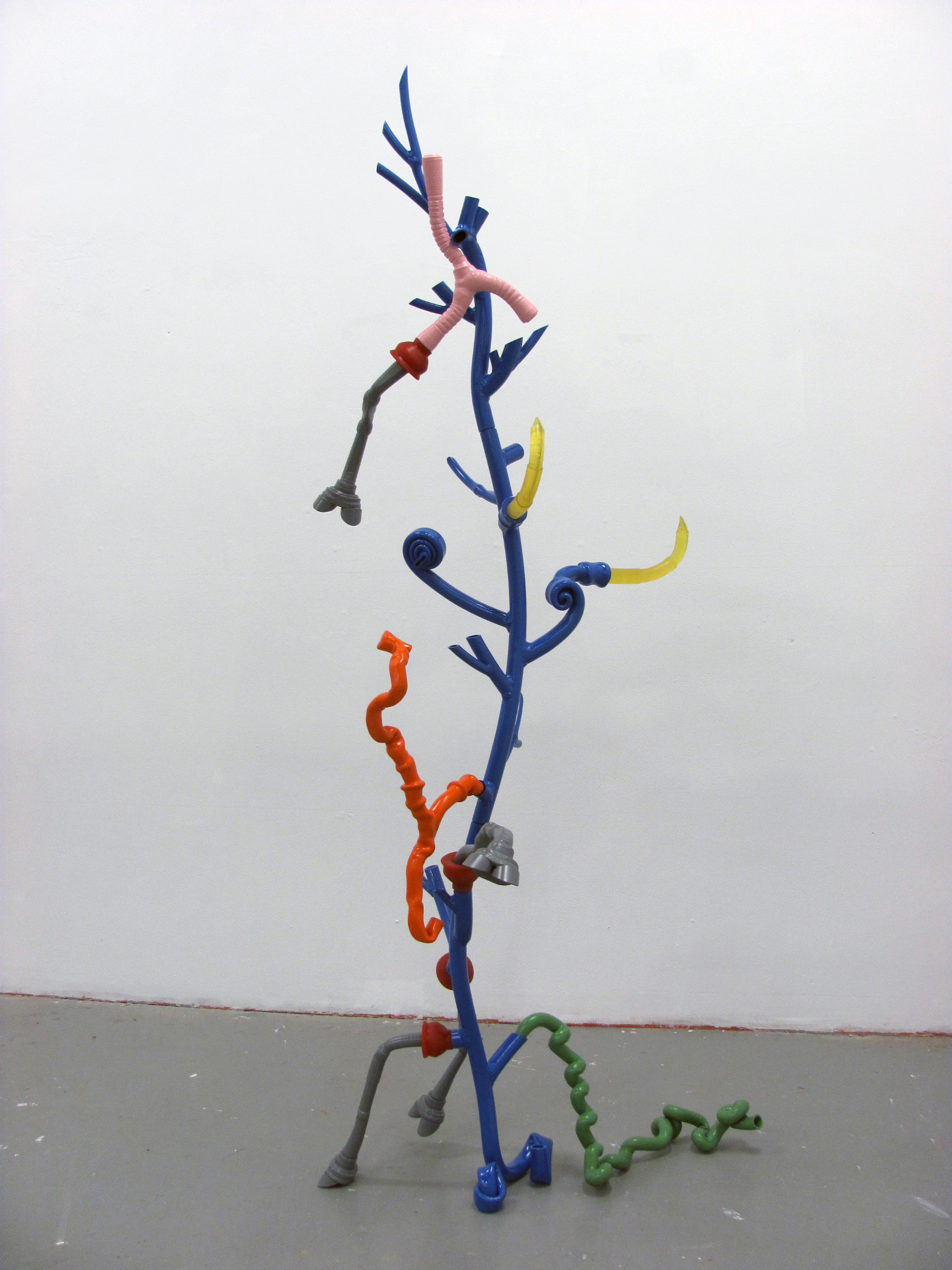
I had a great time last week as a guest of the Department of Art at Mississippi State University. My solo exhibition Color Coded, on view in the McComas Gallery, was held concurrently with Consumption, a solo exhibition by Adelaide Paul on view in the Visual Arts Center Gallery. Adelaide and I have very complimentary sensibilities and were well matched for this exhibition series. We gave joint artist’s talks, had critiques with assistant professor Critz Campbell’s sculpture class, and were treated to some wonderful closing reception festivities with the MSU community.
-

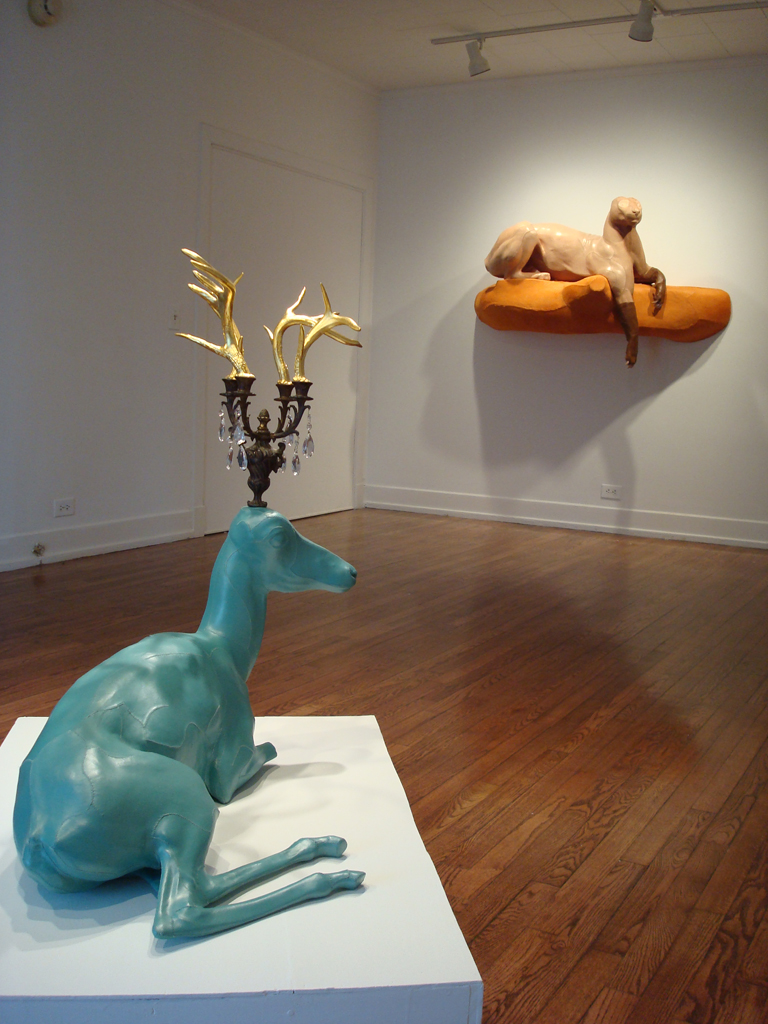
- Adelaide Paul, Thrall (Babyblues) and In Your Dreams, Maxine

-

- Adelaide Paul, Thrall (Babyblues) and In Your Dreams, Maxine
-
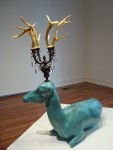
- Adelaide Paul, Thrall (Babyblues), modified taxidermist’s mannequin, leather, porcelain, found object, 2010

-
- Adelaide Paul, In Your Dreams, Maxine, detail

-
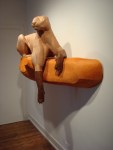
- Adelaide Paul, In Your Dreams, Maxine, modified taxidermist’s mannequin, leather, cowhide, nail polish, 2010

-
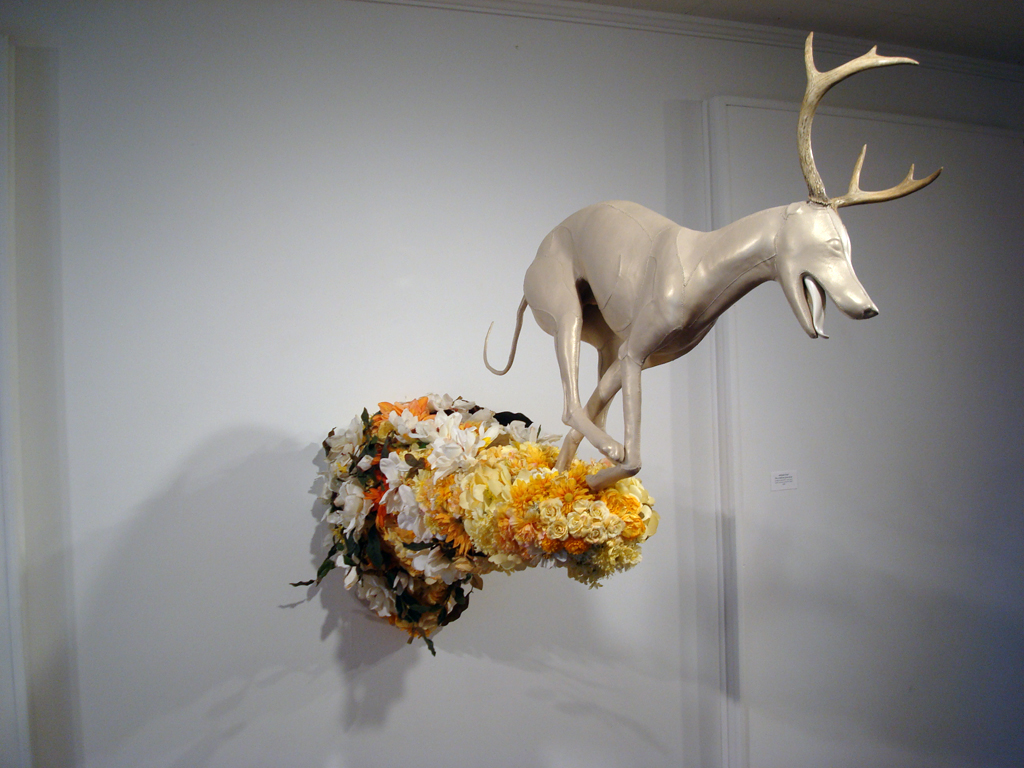
- Adelaide Paul, The Artificial Queendom, detail
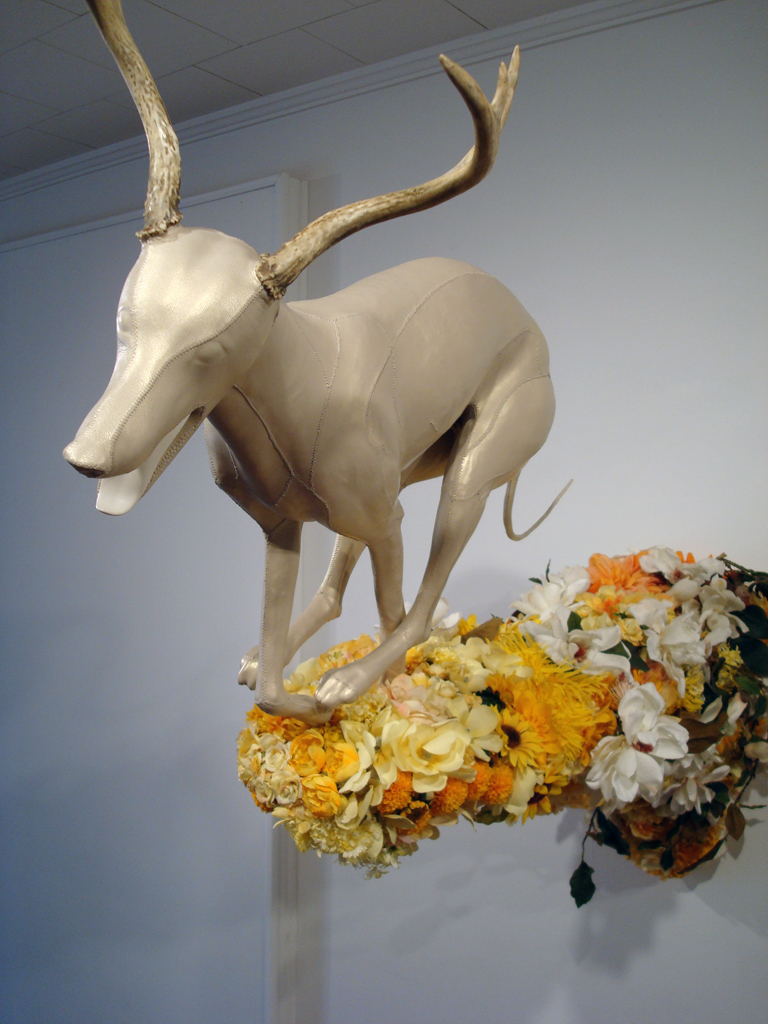
-

- Adelaide Paul, The Artificial Queendom, detail
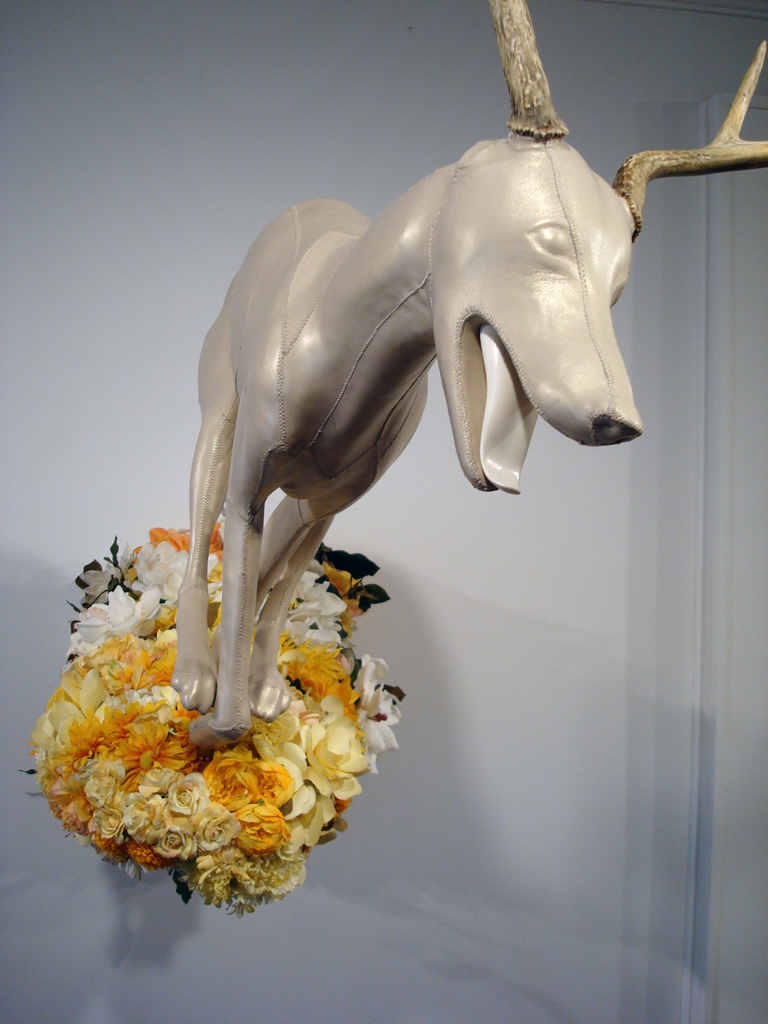
-
- Adelaide Paul, The Artificial Queendom, modified taxidermist’s mannequin, leather, porcelain, antlers, silk flowers, foam, 2006
-
- Adelaide Paul, Trophy (Wife)

-

- Adelaide Paul, Trophy (Wife), modified taxidermist’s mannequin, leather, human hair, 2009

-

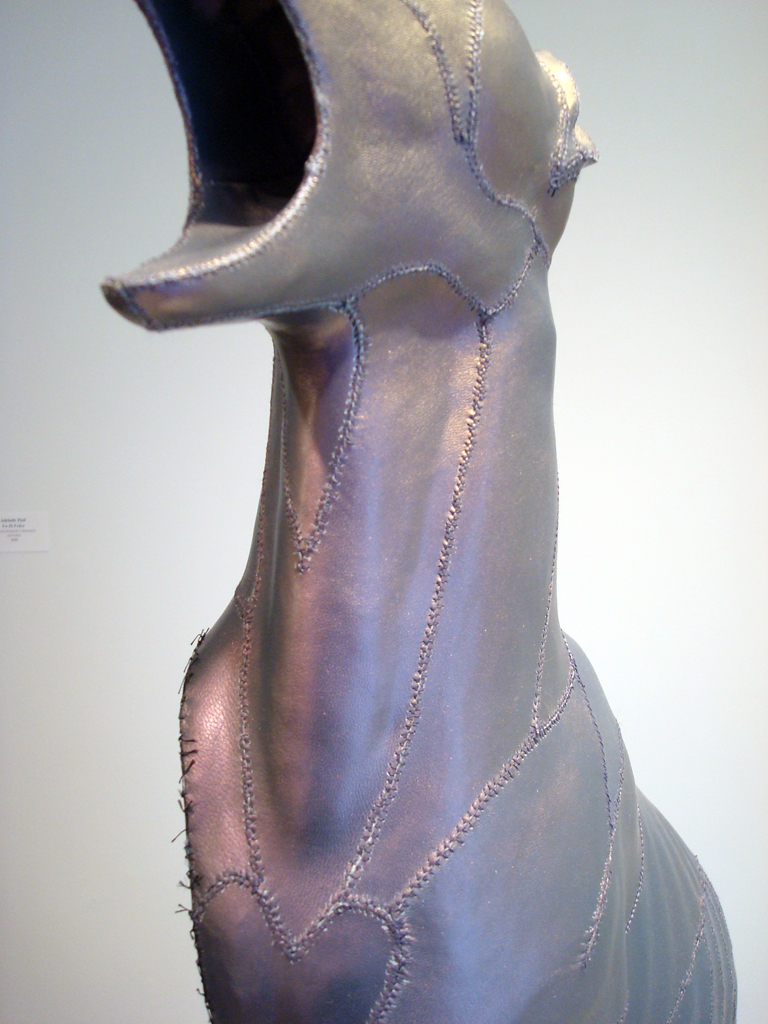
- Adelaide Paul, Un Di Felice, detail

-

- Adelaide Paul, Un Di Felice, detail
-
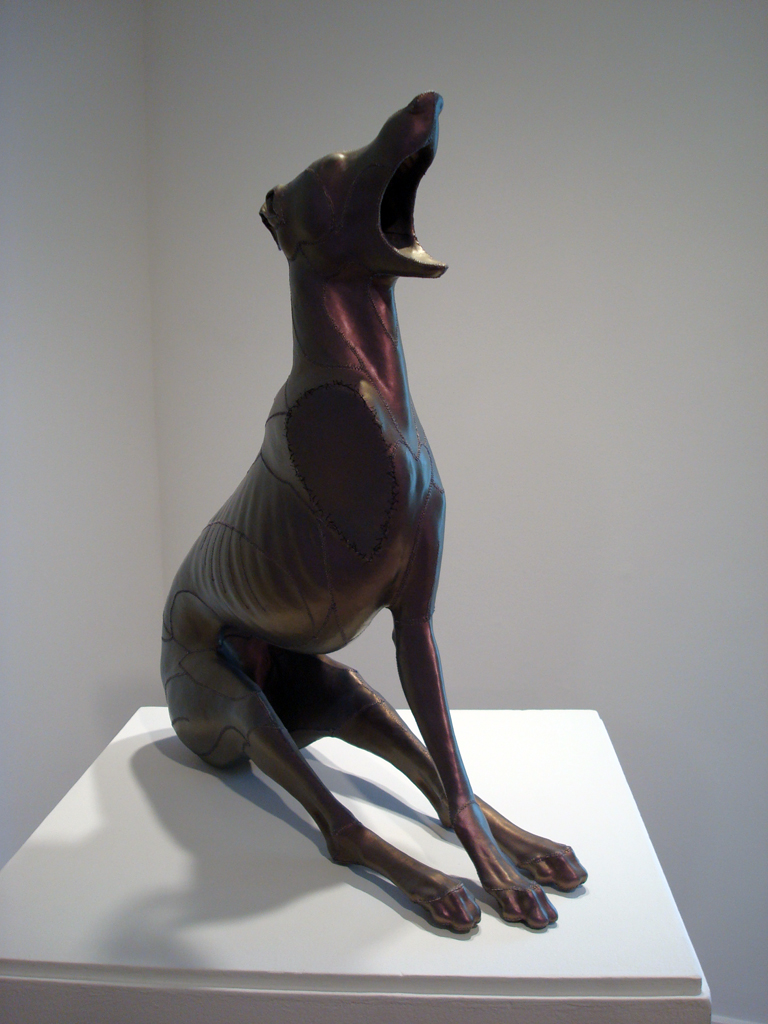
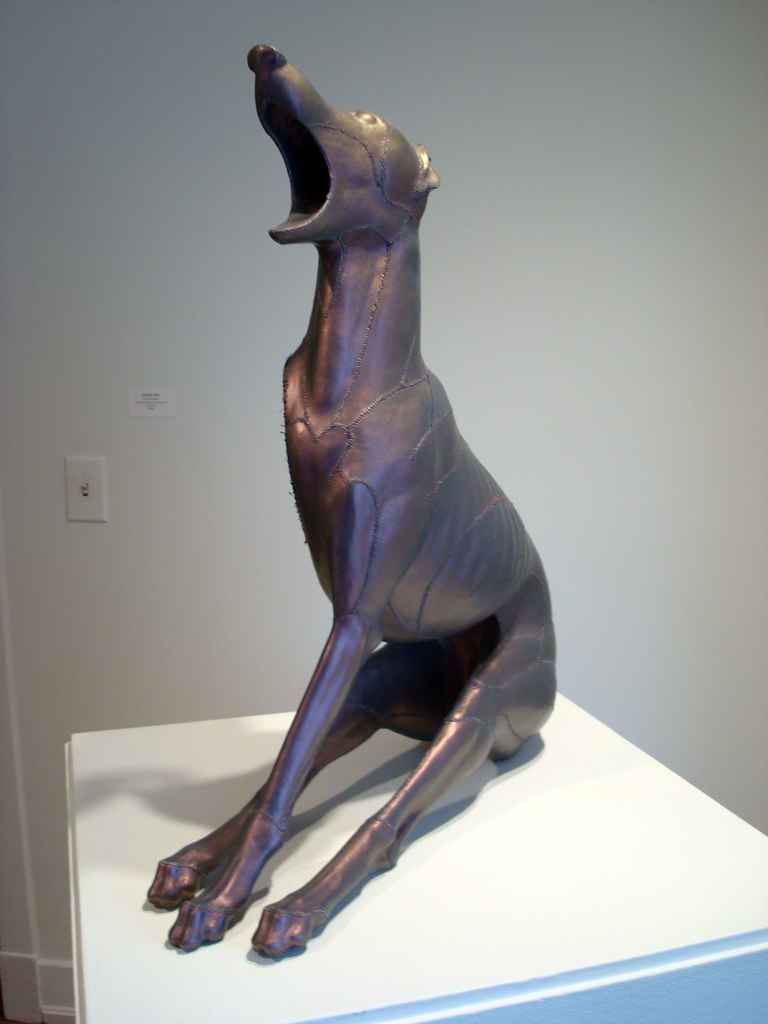
- Adelaide Paul, Un Di Felice
-
- Adelaide Paul, Un Di Felice, modified taxidermist’s mannequin,leather, 2008
-

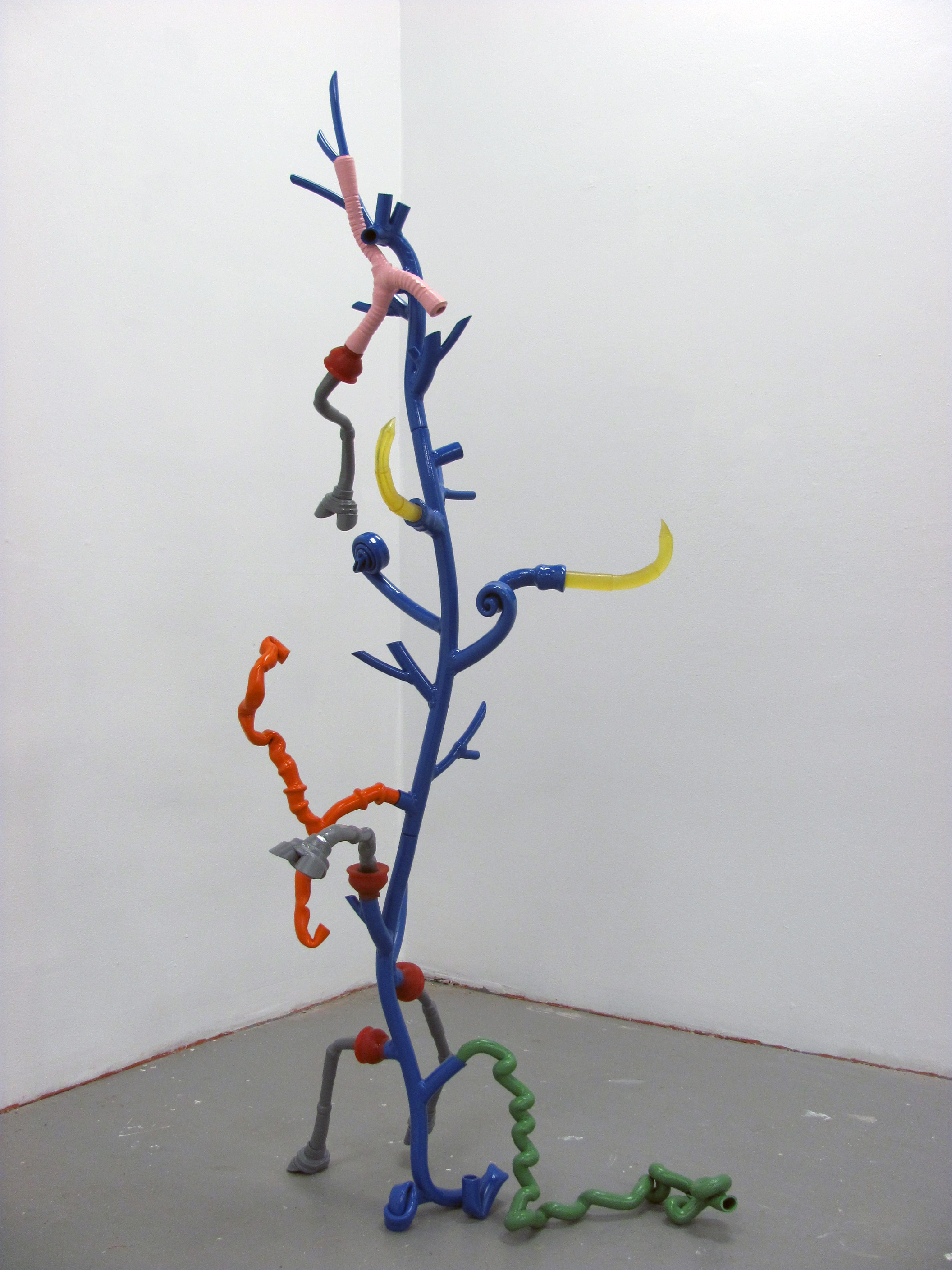
- Gallery view, “Color Coded” exhibit

-

- Gallery view, “Color Coded” exhibit
-
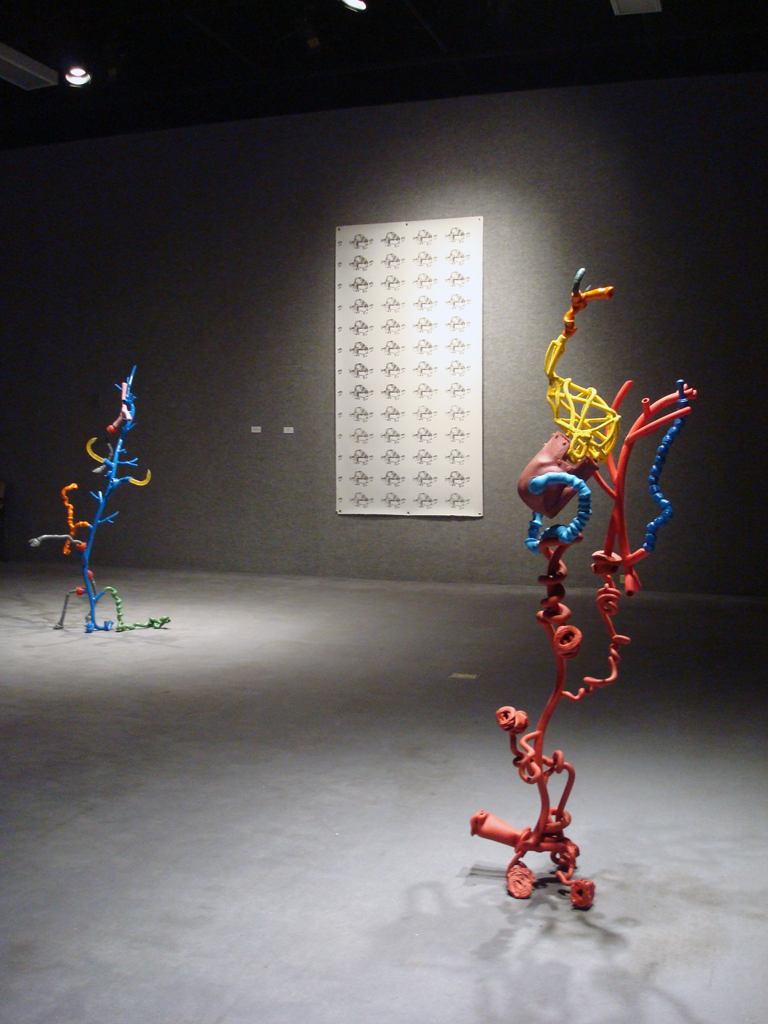
- Gallery view, “Color Coded” exhibit

-

- Gallery view, “Color Coded” exhibit
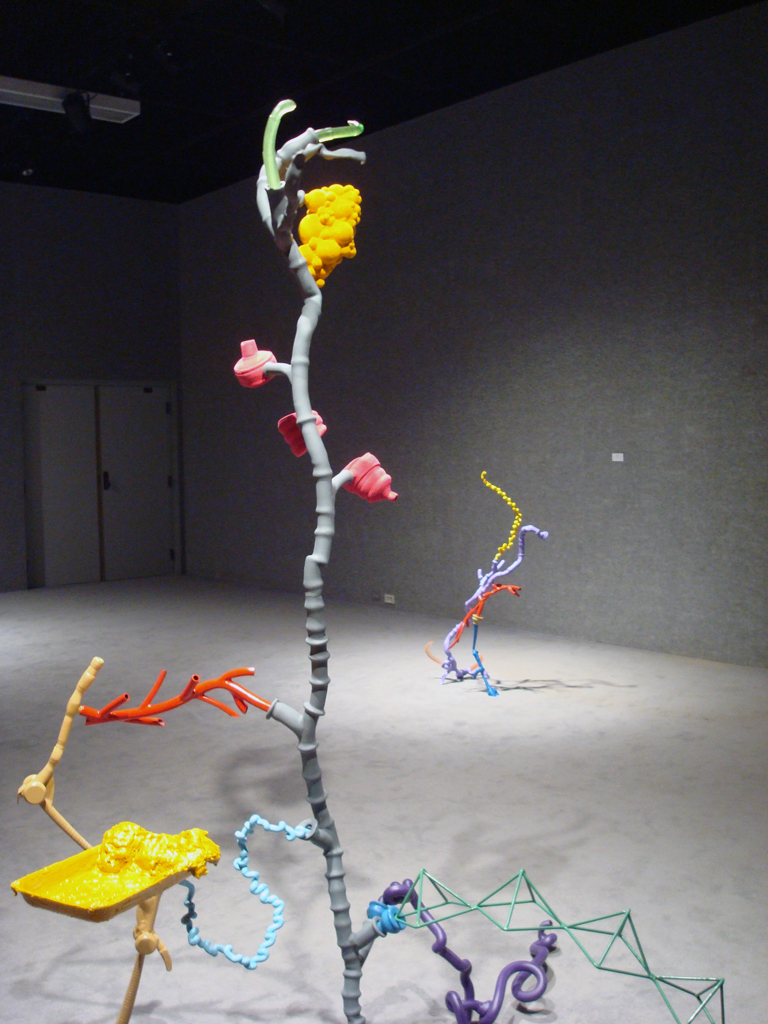
-

- Gallery view, “Color Coded” exhibit

-
- Gallery view, “Color Coded” exhibit
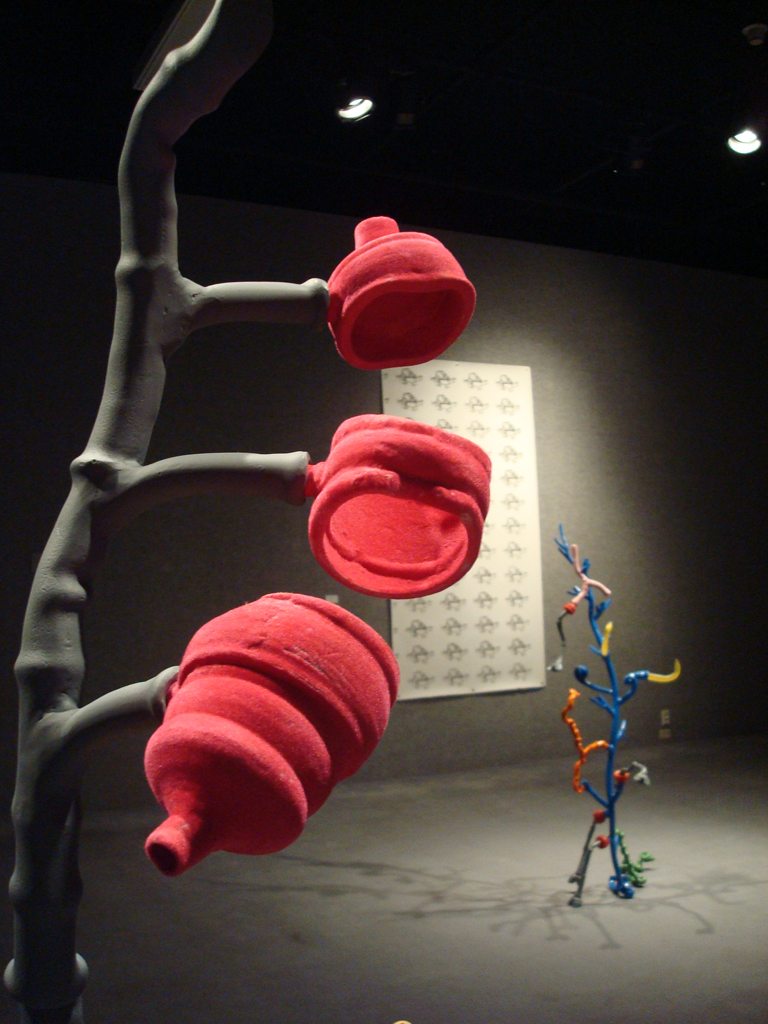
-
- Gallery view, “Color Coded” exhibit

-

- Gallery view, “Color Coded” exhibit
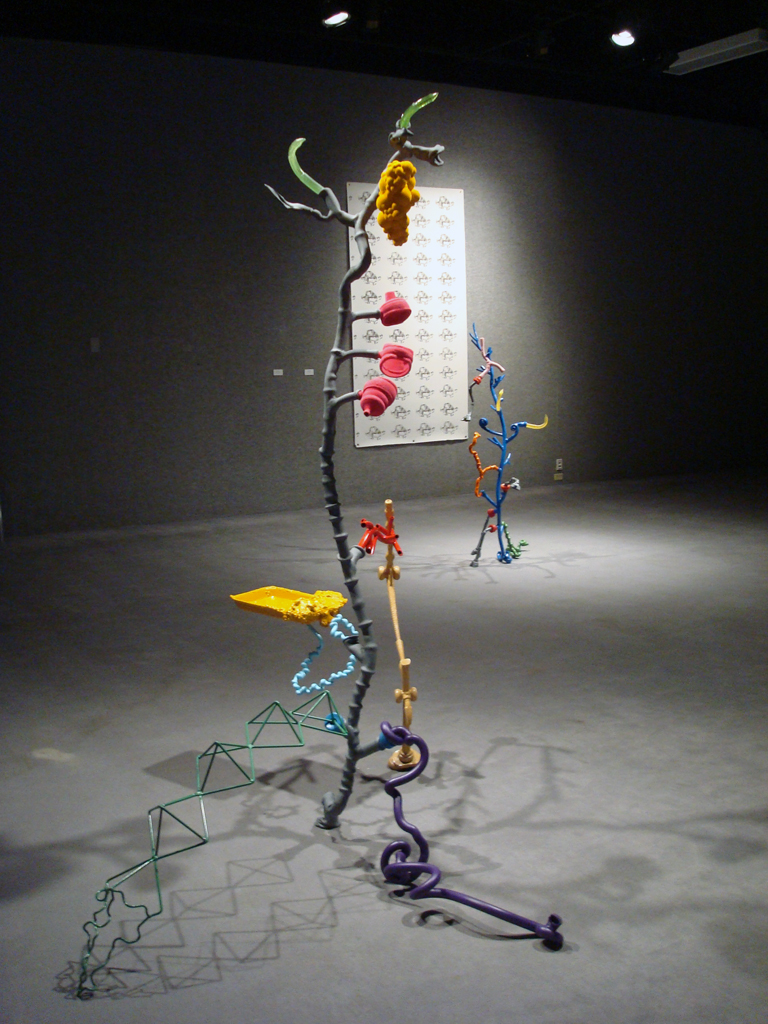
-
- Gallery view, “Color Coded” exhibit

-
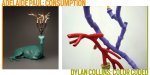
- Exhibition postcard
Adelaide received a B.F.A. in ceramics from New York State College of Ceramics at Alfred University, and an MFA in Studio Art from Louisiana State University. She teaches at both MICA and the University of Pennsylvania School of Veterinary Medicine, and is a recipient of a PEW Fellowship in the Arts in 2007. Here is a terrific video about her studio work.










 Dylan Ethan Collins